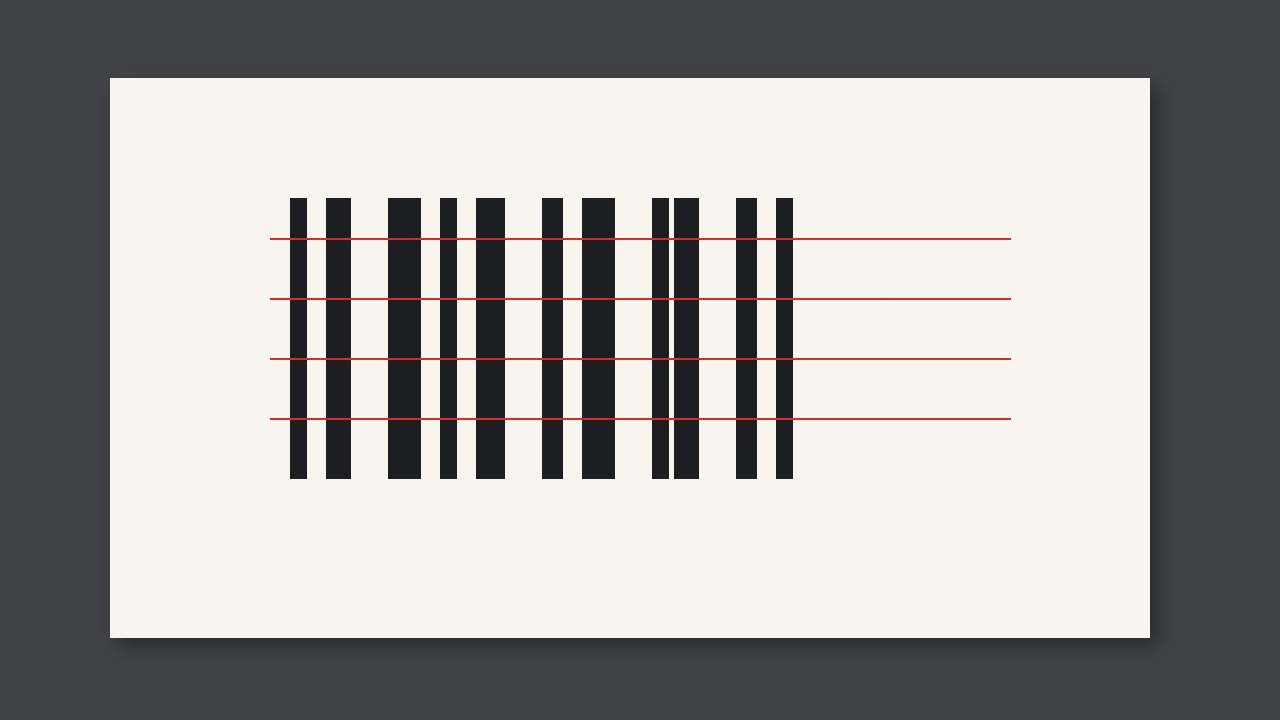
What is the difference between a scan grade and an overall grade
A scan grade is the worst item in that one scan. The overall grade is the average of several scan grades. The traditional method is ten scans, then average, then a letter. One poor scan pulls the average down; it does not automatically make the overall grade that scan’s F, unless the customer also required every scan to pass.
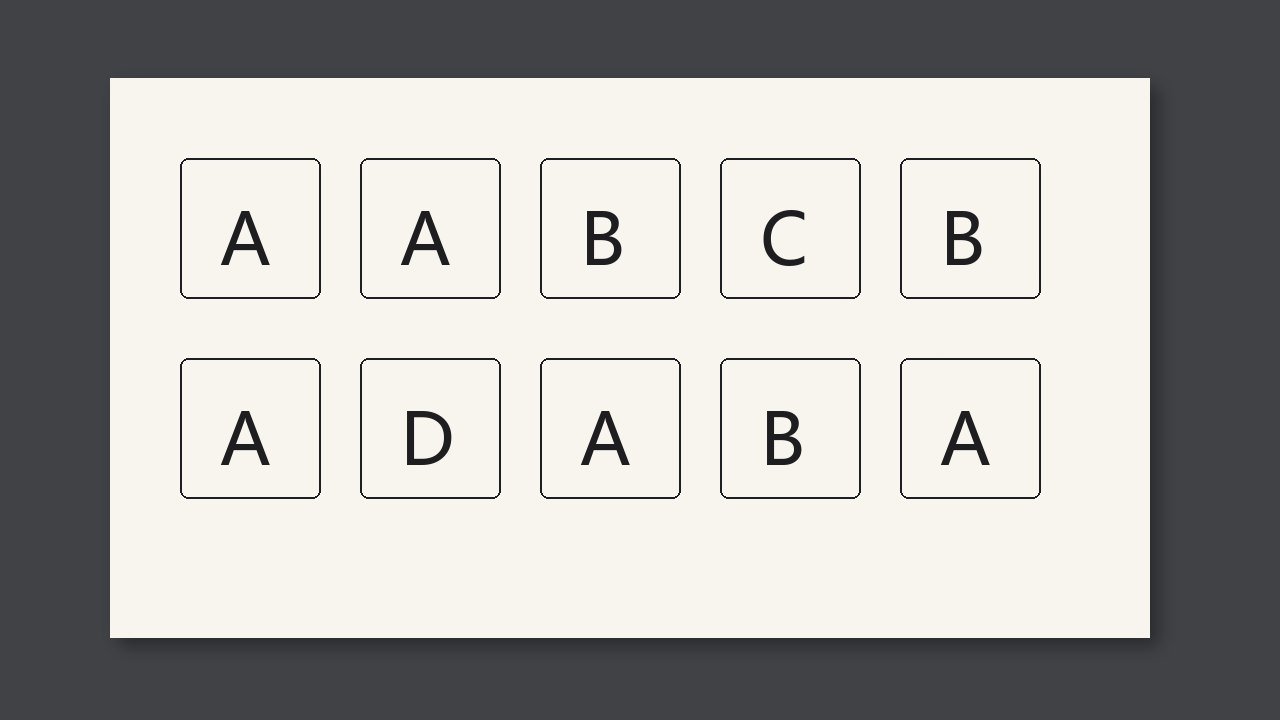
A scan grade is the worst item in that one scan. The overall grade is the average of several scan grades. The traditional method is ten scans, then average, then a letter. One poor scan pulls the average down; it does not automatically make the overall grade that scan’s F, unless the customer also required every scan to pass.
Keep both numbers
Nine of ten scans A and one D: the average is pulled down by that one, but the overall grade is usually not D. If you archive only the overall grade, the next shift does not know whether the whole barcode is weak or one defect sits at one height. If you only look at the worst scan, you fail codes that still pass the standard.
If the customer wrote “every scan not below C,” that is a rule on top of the average and must be met on its own. The standard’s overall grade is still understood as the average.
How to use them
| What you see | It is | Do not read it as |
|---|---|---|
| Each scan’s letter | The lowest item in that scan | The grade of the whole symbol |
| Average of ten | Overall grade | The worst scan |
| Customer wrote every scan must meet | Extra condition | Closing the job on the average alone |
When you record, write
- Keep the overall grade and the ten scan grades.
- Mark the scan that pulled the average down.
- If the order says “every,” judge that extra.