How ISO/IEC 15416 grades a printed barcode
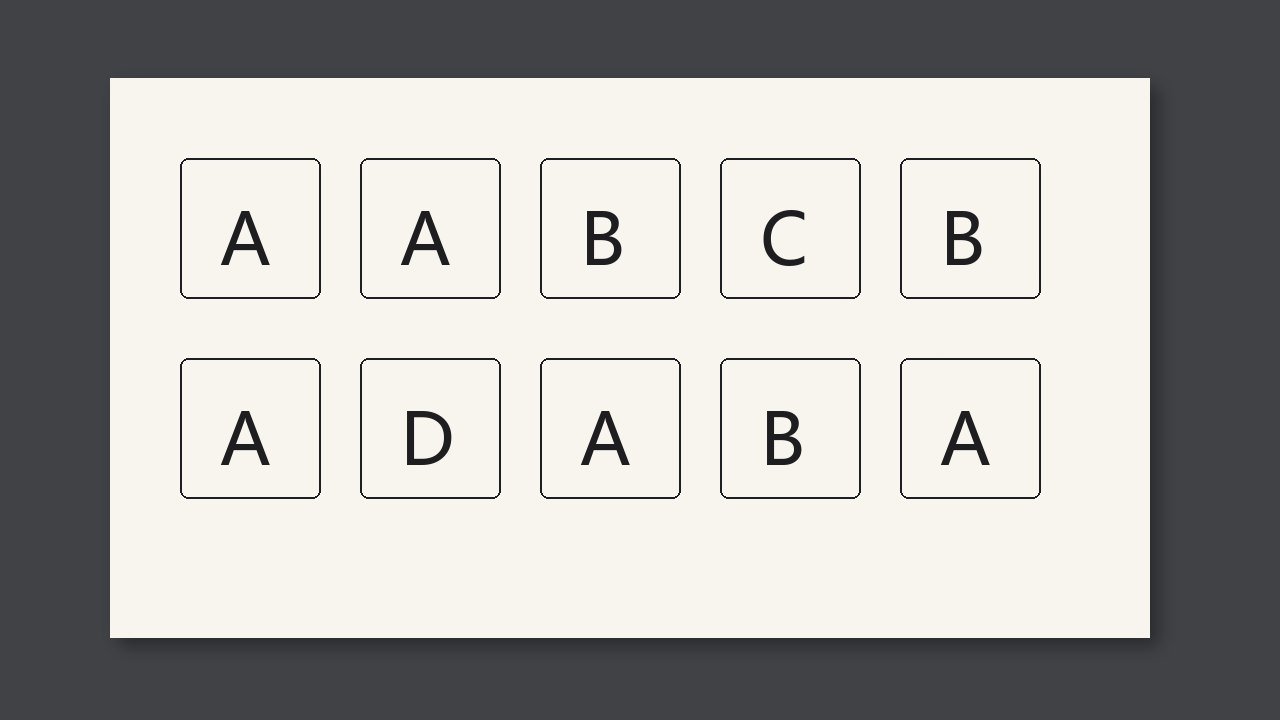
ISO/IEC 15416 takes several scans along the barcode height. In each scan, parameters are graded one by one, and that scan’s grade is the worst of them. Many items can be good; one poor item makes that scan that poor grade. It does not average the items into a prettier score.
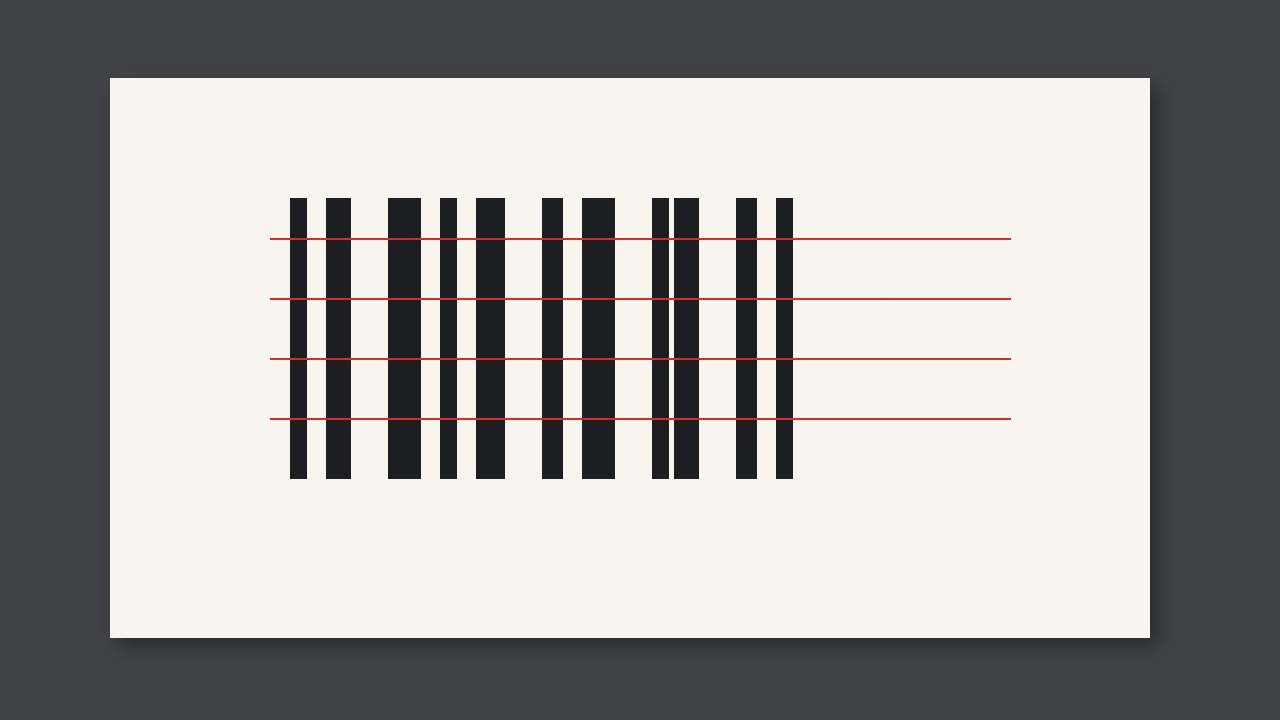
ISO/IEC 15416 takes several scans along the barcode height. In each scan, parameters are graded one by one, and that scan’s grade is the worst of them. Many items can be good; one poor item makes that scan that poor grade. It does not average the items into a prettier score.
What sits in one scan
Common items include symbol contrast, modulation, defects, decodability, edge contrast, and whether quiet zones are enough. Each is graded from good to poor on its own. That scan’s grade is the lowest of those items. So contrast A and quiet zone D make that scan D. Adding the items and dividing is not this standard’s method.
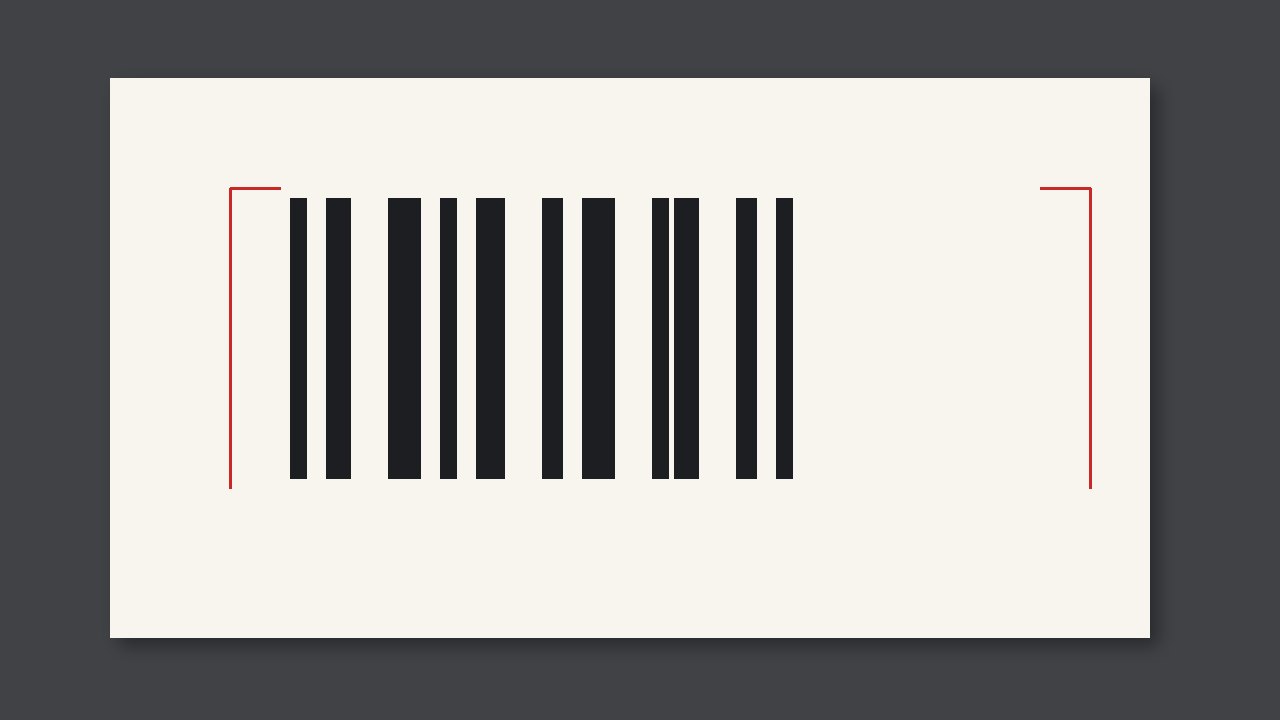
Scans must cover the barcode height. Do not only scan the nicest line in the middle. One scan filled in as a grade is not enough sample.
The lowest item
| In this scan | This scan’s grade |
|---|---|
| All A, quiet zone D | D |
| Defects C, the rest A | C |
| All not below B | B |
When you record, write
- The name of the item that pulled the grade down.
- Do not archive only one letter.
- If scan count is short, do not report a final grade.