What to check on a wrap-around label before the bottle
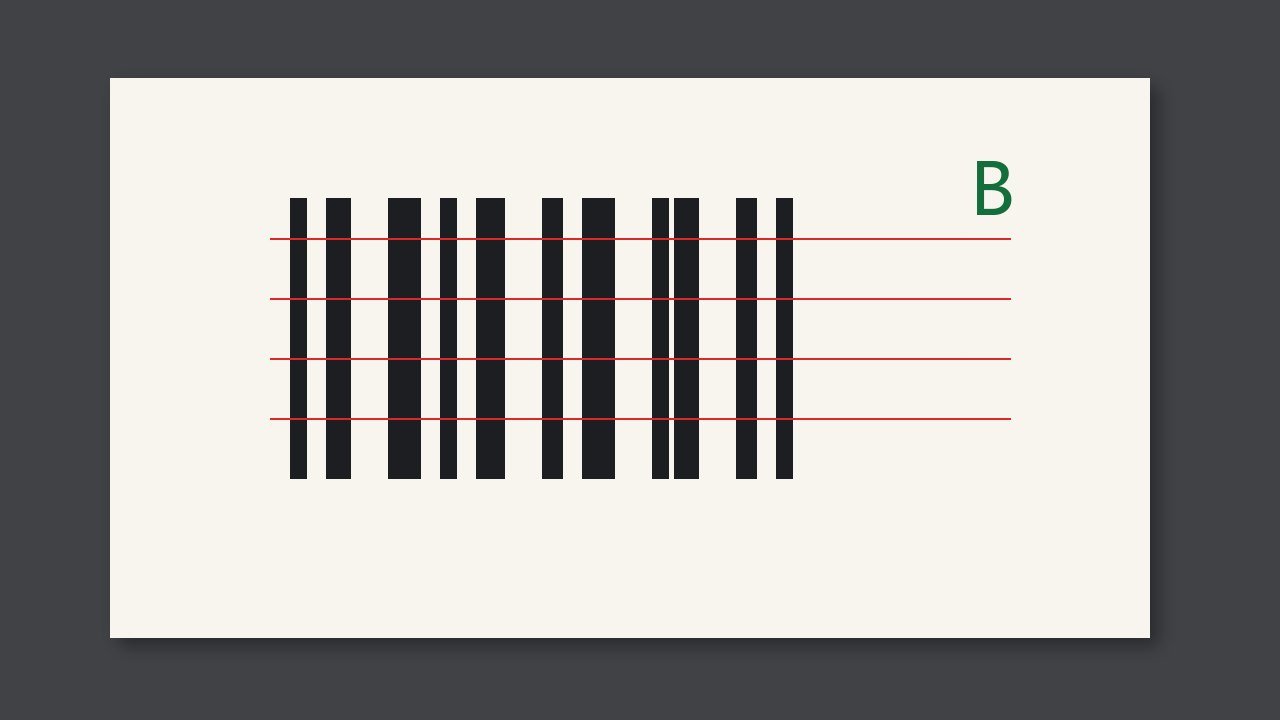
On a wrap-around label, check the artwork, the barcode, and the leading and trailing seam on the flat unwind, before the bottle. If the artwork does not meet at the seam, on the bottle it is a gap. The length is one turn of the bottle, and overlap follows this job's drawing.
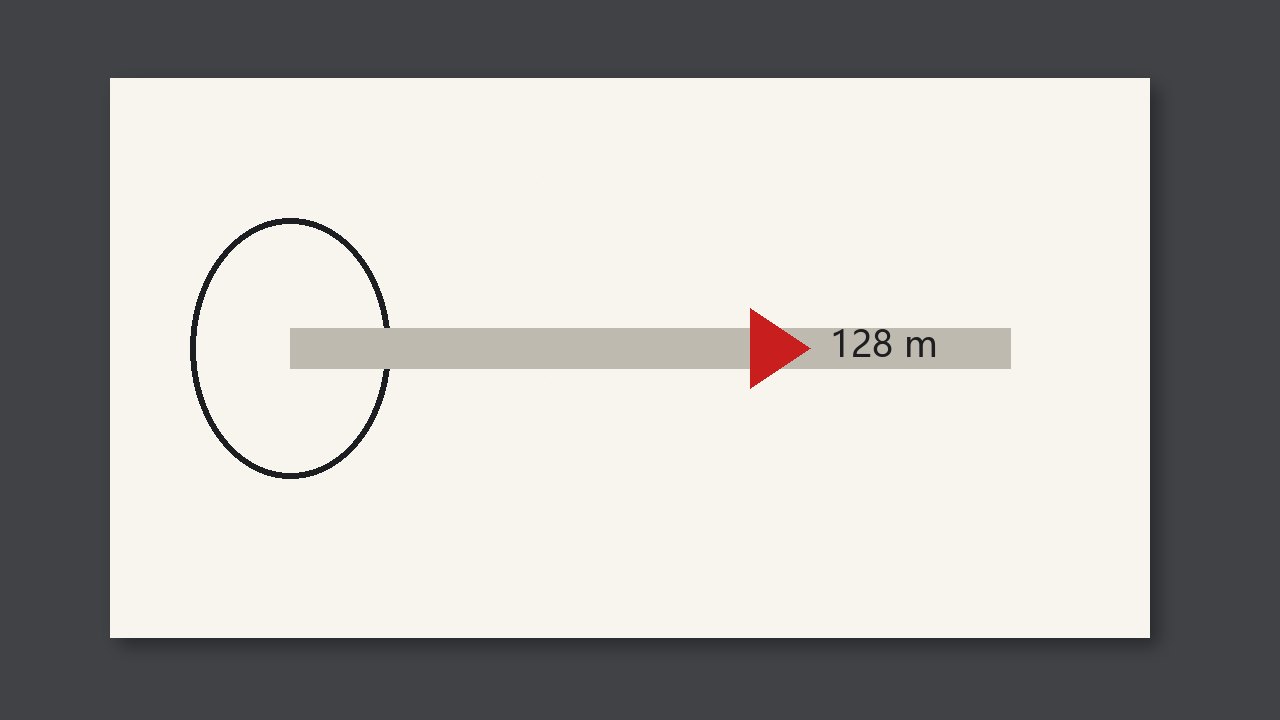
On a wrap-around label, check the artwork, the barcode, and the leading and trailing seam on the flat unwind, before the bottle. If the artwork does not meet at the seam, on the bottle it is a gap. Do not wait for the labeler. The length is one turn of the bottle. Overlap and alignment follow this job's drawing, not the ordinary habit of white space on a pressure-sensitive label.
Why it is judged this way
Dirt on the seam is a line facing the consumer. Leading and trailing artwork that does not meet is a stop: follow the drawing, and do not look after the label is on the bottle. A barcode that lands on the seam fails by default. Do not pass it because a handheld gun still scans. A dirty line at the seam is a face defect. It is not a case of the bottom of the roll not mattering.
What to compare
| What you see | What to call it | What not to do |
|---|---|---|
| Artwork does not meet at the seam | Stop and follow the drawing | Look only after the label is applied |
| The barcode sits on the seam | Fail it | Pass it because a gun still scans |
| A dirty line sits on the seam | A face defect | Treat it as the bottom of the roll |
At job change or when a roll is opened
- Put the seam position from the drawing into the template.
- Use a sample whose ends are offset and confirm the alarm.
- Confirm the barcode is not on the seam.