Which measurement condition should a press use: M0, M1 or M2
The press uses the condition written in the contract, not the instrument default. Paper with fluorescent brightener, customer viewing under D50: use M1. Strip out fluorescence and compare ink only: use M2. M0 is the old unfixed-UV condition; keep it only when the contract still writes M0. The three readings cannot be compared together.
The press uses the condition written in the contract, not the instrument default. Paper with fluorescent brightener, customer viewing under D50: use M1. Strip out fluorescence and compare ink only: use M2. M0 is the old unfixed-UV condition; keep it only when the contract still writes M0. The three readings cannot be compared together.
What the three conditions look at
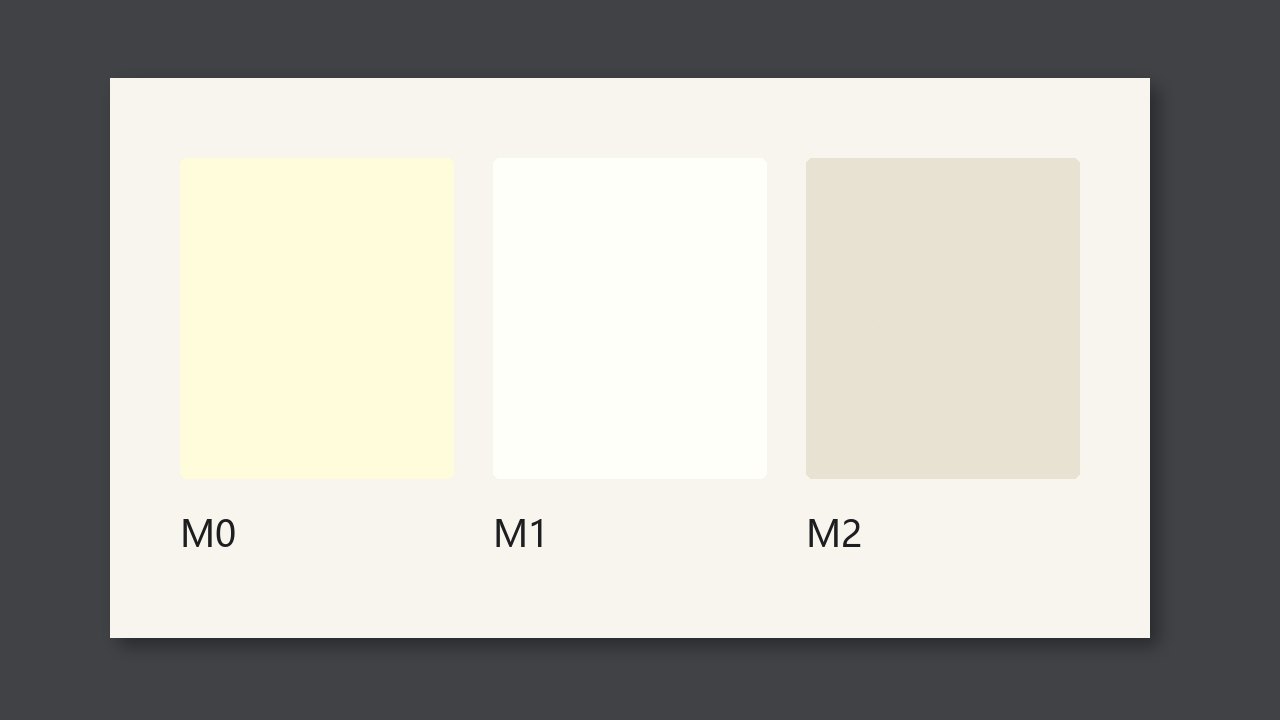
ISO 13655 splits measurement conditions because UV makes paper with optical brightener fluoresce. M1 follows D50 with the specified UV, close to a viewing booth. M2 cuts UV, so paper fluorescence no longer enters the reading; it is suitable for stripping paper-white fluorescence out of the ink, and for comparing against an M2 signed sample. M0 UV varies with the instrument; two instruments both labelled M0 can still differ.
So “we have always used M0” only holds when the customer and the signed sample are also M0. If the signed sample is M1 and the press uses M2, the whiter the paper, the larger the colour difference, while the ink may not have changed at all.
How to choose
| Contract or signed sample | Paper | Press uses |
|---|---|---|
| Writes M1, or views under D50 | Has fluorescence | M1 |
| Writes M2, or clearly wants no fluorescence | Either | M2 |
| Old job writes only M0 | Follow the old job | M0, and do not compare it with M1 |
| Contract does not say | Do not finish measuring then guess | Ask, then start measuring |
Write it on the record
- Write M0, M1 or M2 beside every reading.
- Before comparing with the signed sample, confirm the sample’s condition is the same.
- Remeasure after changing condition; do not fold the difference between two conditions into the ink.