How G7 grey balance differs from an ISO solid tolerance
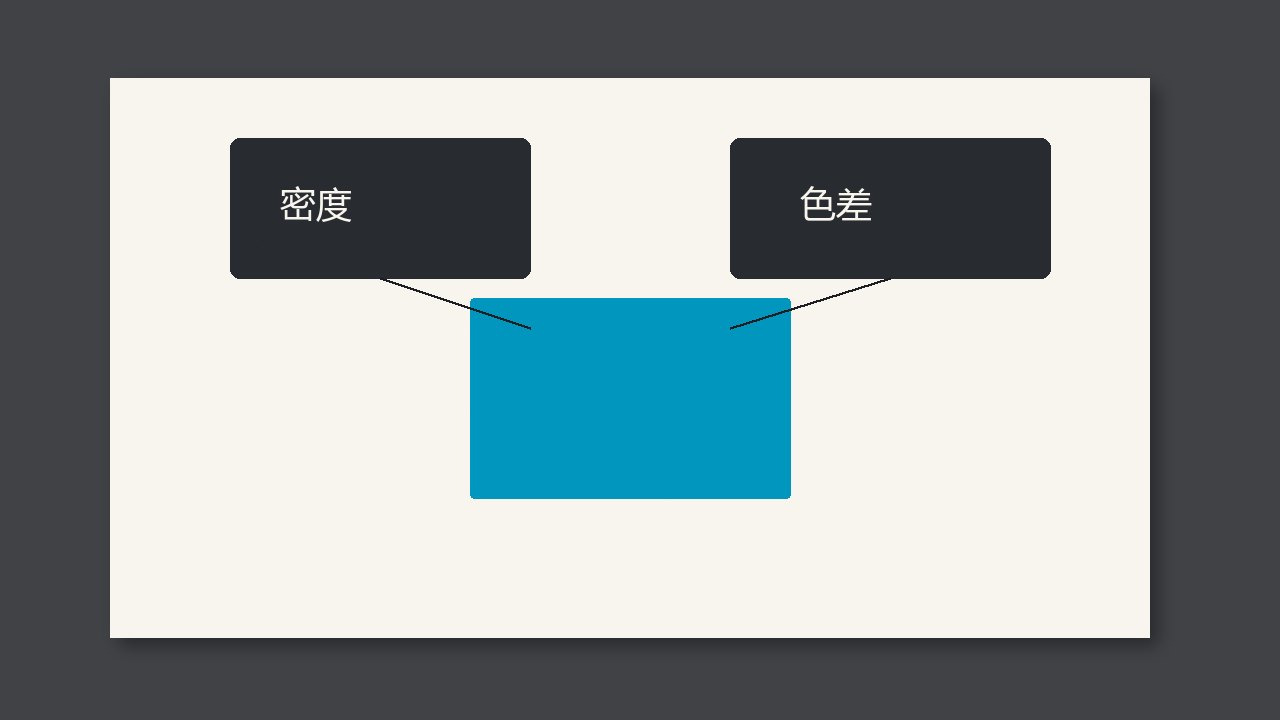
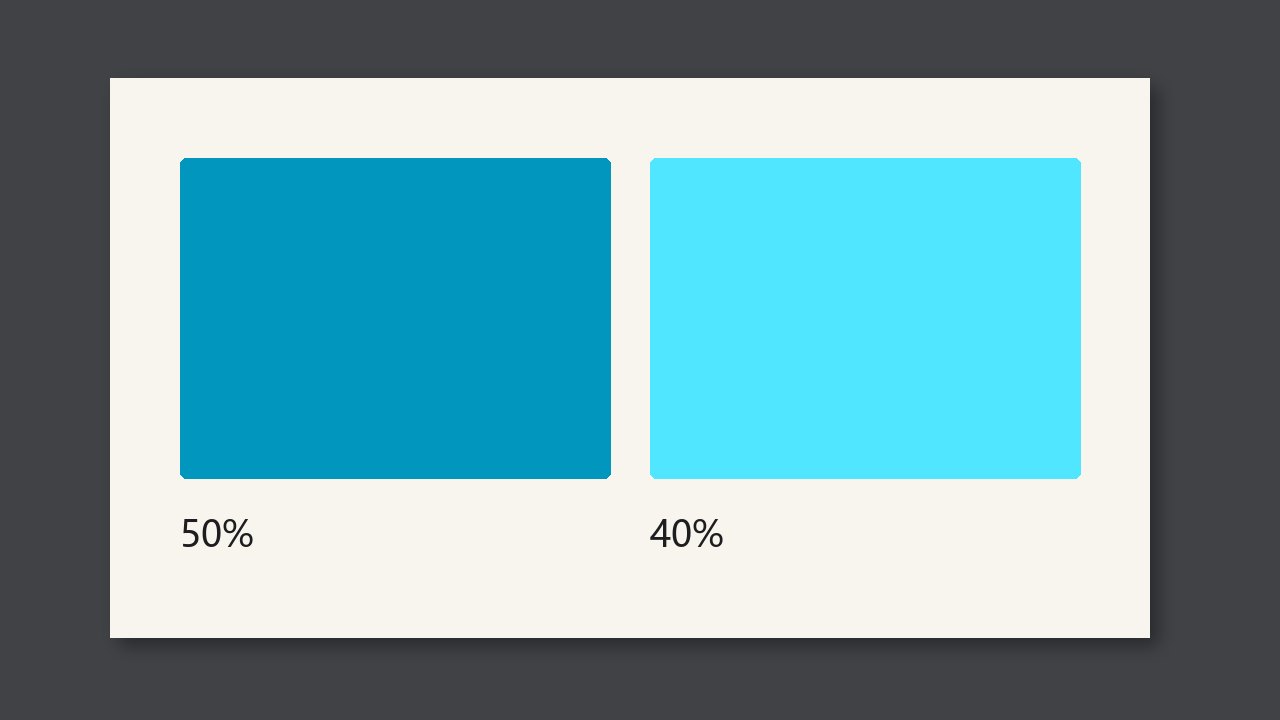
ISO 12647-2 solid tolerance looks at colour difference on the cyan, magenta, yellow and black solids; deviation is often ΔEab 5. G7 looks at whether grey is neutral and whether tone follows the grey-balance curve. Solids can pass while grey is off; grey can pass while one solid is out. Do not let one number stand for both.
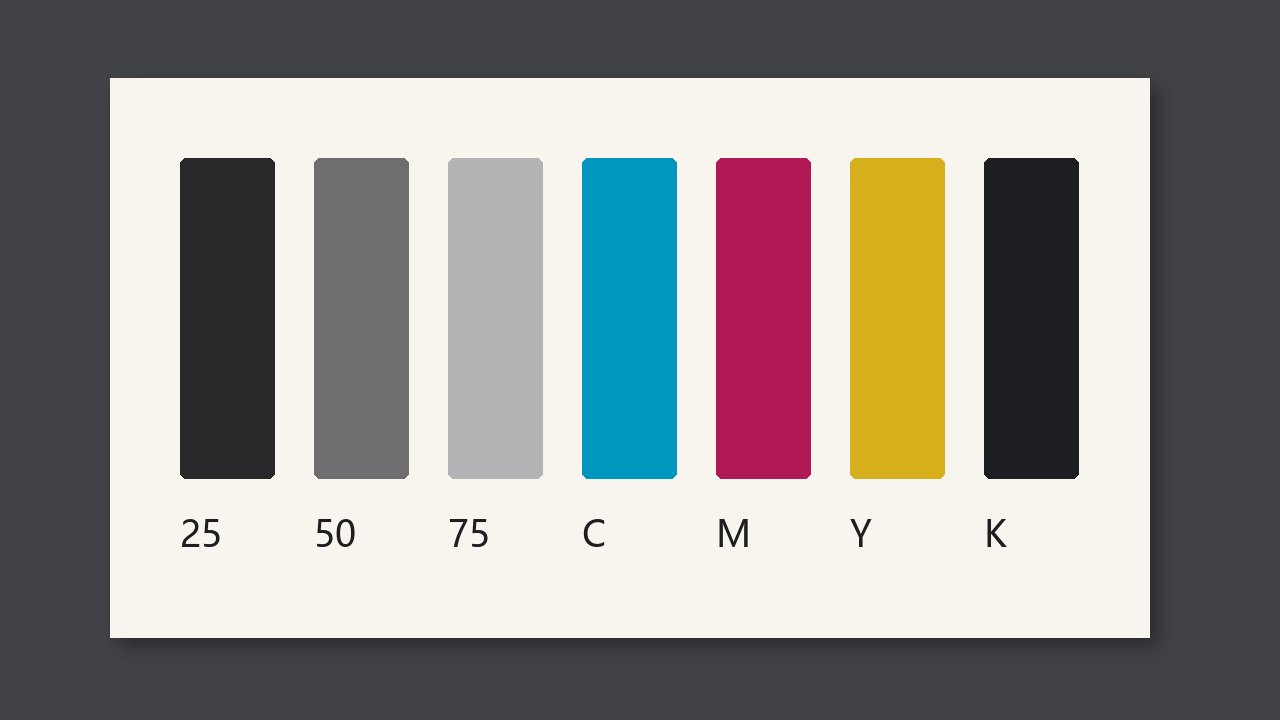
ISO 12647-2 solid tolerance looks at colour difference on the cyan, magenta, yellow and black solids; deviation is often ΔEab 5. G7 looks at whether grey is neutral and whether tone follows the grey-balance curve. Solids can pass while grey is off; grey can pass while one solid is out. Do not let one number stand for both.
Each looks at its own
In 12647-2:2013 Table 7, solid deviation is ΔEab 5, variation is about 4 for cyan, magenta and black and 5 for yellow, hue difference ΔH about 3. Those numbers do not check whether the middle of the grey ramp has gone red or green. G7 judges grey balance and neutral tone; G7 Targeted also gives solids: paper white ΔE00 about 3.0, cyan magenta yellow 3.5, black 5.0, red green blue overprints 4.2, weighted grey average about 1.5 and max about 3. The grey column is the real difference between G7 and “solids only”.
So a sheet can have all four solids inside 12647-2 and a grey that is off; or a clean grey and a yellow solid already outside Targeted. Split the report into two columns. Do not merge them into one “pass”.
Which one the contract named
| Contract | Must watch | Cannot stand in |
|---|---|---|
| ISO 12647-2 solids only | ΔE and ΔH on the four solids | The grey ramp looking right |
| G7 | Grey balance; Targeted adds solids | Solid density alone |
| Both written | Both columns must pass | Passing one as if the other passed |
Write it on the record
- Write solids and grey balance on two lines.
- Write whether it is ΔEab or ΔE00.
- If only solids passed, do not write G7 pass on the report.