What is TVI, and which midtone patch should you watch
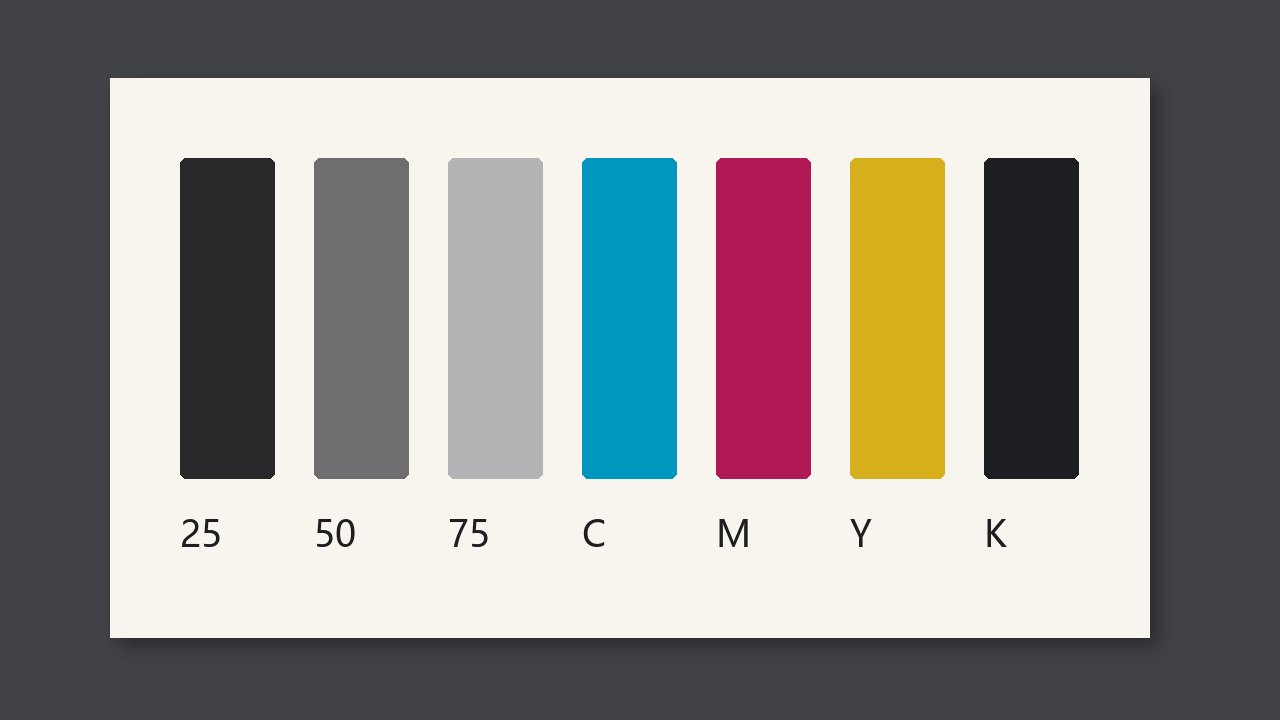
Dot gain is the extra size of the printed dot over the plate dot, often written TVI. Midtones drift first. If the control strip has 50%, watch 50%. If you only have 40% and 80%, watch 40% first. Do not call the dots fine because solid density is on.

Dot gain is the extra size of the printed dot over the plate dot, often written TVI. Midtones drift first. If the control strip has 50%, watch 50%. If you only have 40% and 80%, watch 40% first. Do not call the dots fine because solid density is on.
Why not the solid
Solid density looks at ink film. Dot gain looks at whether pressure, ink and slur have spread the midtone. The solid can match the signed sample while 50% has already joined up and the picture is muddy. The midtone patch on the strip is for the press, not a spare for prepress.
If the strip has 40%, 50% and 80% together, process control stares at 50%. 40% shows whether the highlight walked with it; 80% shows whether the shadow is filling in. If there is only one patch, watch that one, and write the percentage in the record so you do not compare it with another job’s 40%.
Which patch
| On the strip | Watch first in the run | Also note |
|---|---|---|
| 50% | 50% | The solid |
| Only 40% and 80% | 40% | Whether 80% is filling in |
| No midtone at all | Do not substitute the solid | Add a midtone patch before talking gain |
Write it on the record
- Write whether you read 40% or 50%.
- Compare this patch with the signed sample, not with the last job.
- If this patch jumped and the solid did not, chase dots; do not add solid ink.