What is the tolerance stack from proof to OK sheet to production
How much the proof may sit from the reference, the OK sheet from the proof, and production from the OK sheet — those three segments stack. Write 2 on each and production can sit 6 from the first reference while the customer thinks the whole path stays inside 2. Write production tolerance as one number against one sheet. Do not add the three out loud.

How much the proof may sit from the reference, the OK sheet from the proof, and production from the OK sheet — those three segments stack. Write 2 on each and production can sit 6 from the first reference while the customer thinks the whole path stays inside 2. Write production tolerance as one number against one sheet. Do not add the three out loud.
Each of the three is one comparison
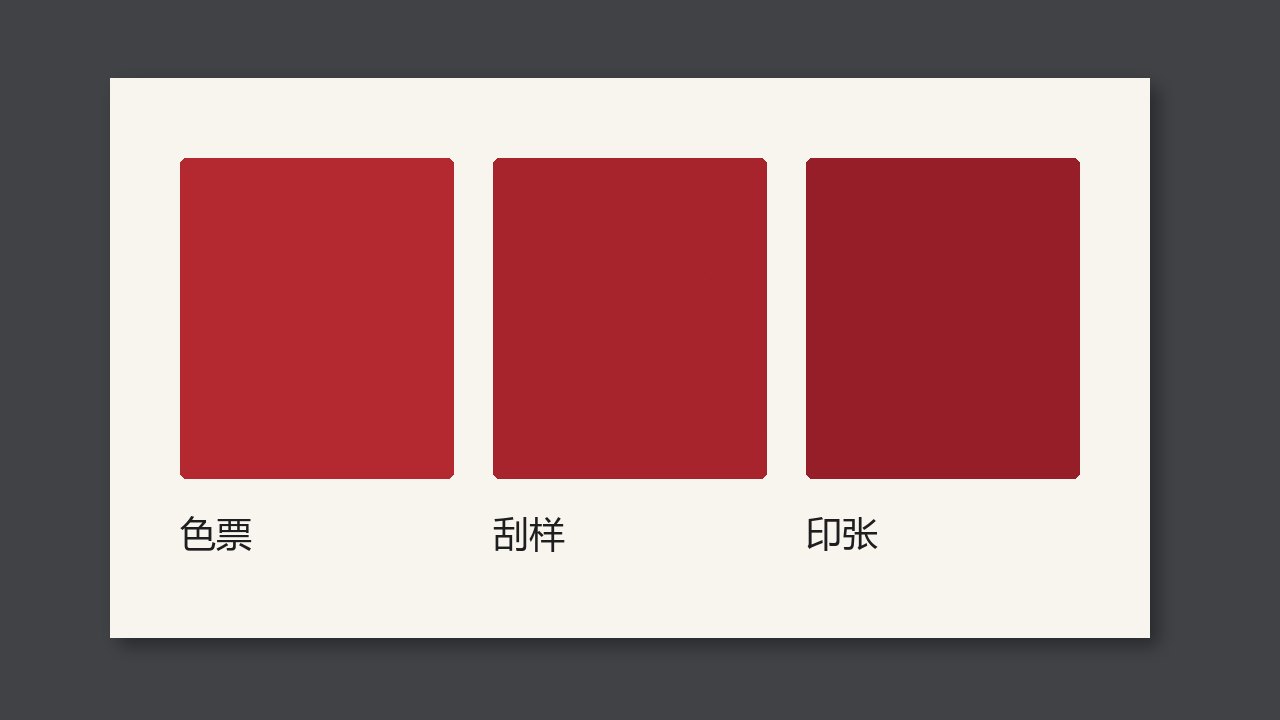
Digital proof against reference data uses the proofing table. The signed sheet against that proof uses a production or sign-off tolerance once more. Later rolls against the signed sheet use it again. Three “passes” leave the last roll a sum of three gaps from the first reference, not the smallest 2 among them.
To make this clear, the ticket keeps one production aim: either the signed sheet or the reference data, and one number. The signed sheet itself must already have been measured. An unmeasured signed sheet gives later “pass against OK” no starting point.
How to write it on the ticket
| Wording | What is actually allowed | Better |
|---|---|---|
| Proof 2, OK 2, production 2, nobody named | Production may sit 6 from the reference | Rewrite as one sentence |
| Production vs OK sheet not over 2 | Only this segment | Sign-off measured on its own first |
| Production vs reference not over 2 | Tightest; the three cannot add | The OK sheet must also sit near the reference |
When you record, write
- Whether production is against the OK sheet or the reference.
- The OK sheet’s own colour difference on file.
- Do not write only “in tolerance” without naming which sheet.