How to record the illuminant and observer with every reading
Print measurement follows ISO 13655: colour is computed with D50 and the 2° observer. Write both on every reading. If someone switches to D65 or 10°, that column cannot be subtracted from a D50 aim. If the viewing booth is not D50, say separately that eye and instrument are not the same light.
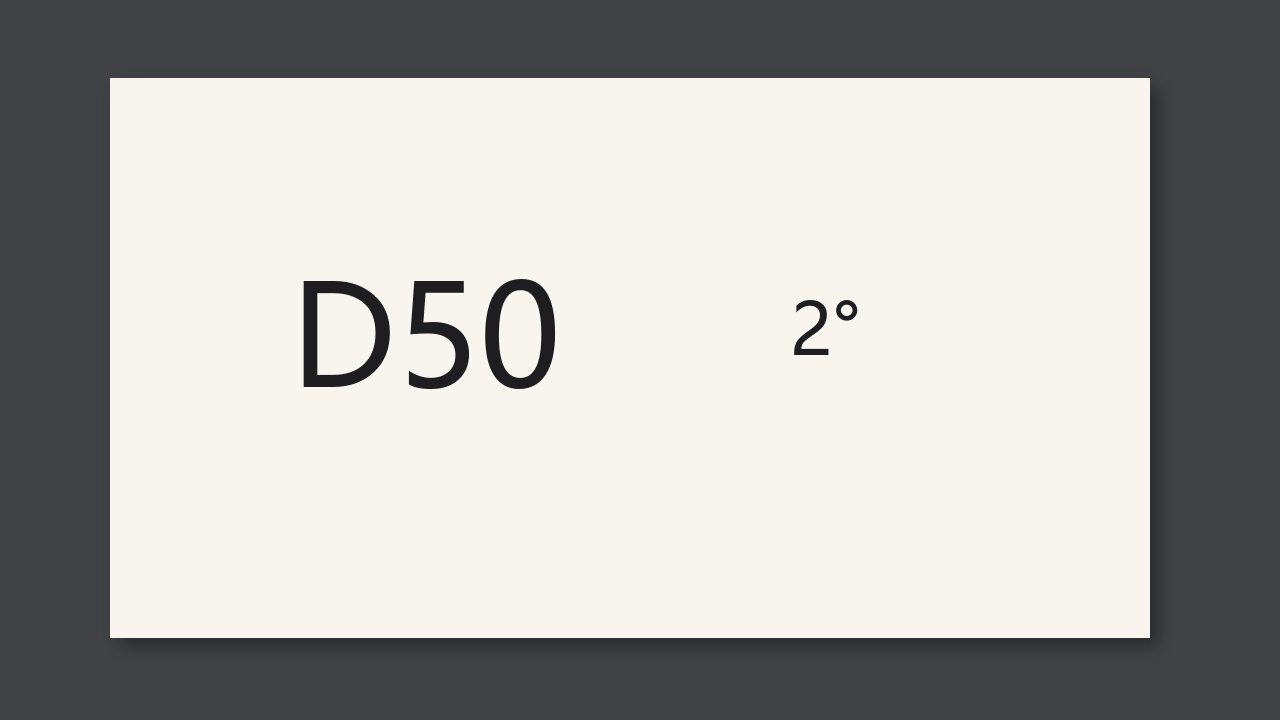
Print measurement follows ISO 13655: colour is computed with D50 and the 2° observer. Write both on every reading. If someone switches to D65 or 10°, that column cannot be subtracted from a D50 aim. If the viewing booth is not D50, say separately that eye and instrument are not the same light.
Why colour difference alone is not enough
Lab* is computed under an illuminant and an observer. Change the illuminant and the same sheet’s numbers move, especially fluorescent paper. Change to the 10° observer and the values move a stretch. A report with only colour difference and no D50 and 2° cannot catch a later settings change.
The booth lamp is for the eye. The instrument can be D50 while the lamp is another colour temperature. Then the eye says off and the instrument says pass: check the lamp first, do not move ink first. Write the lamp model or colour temperature on the same record.
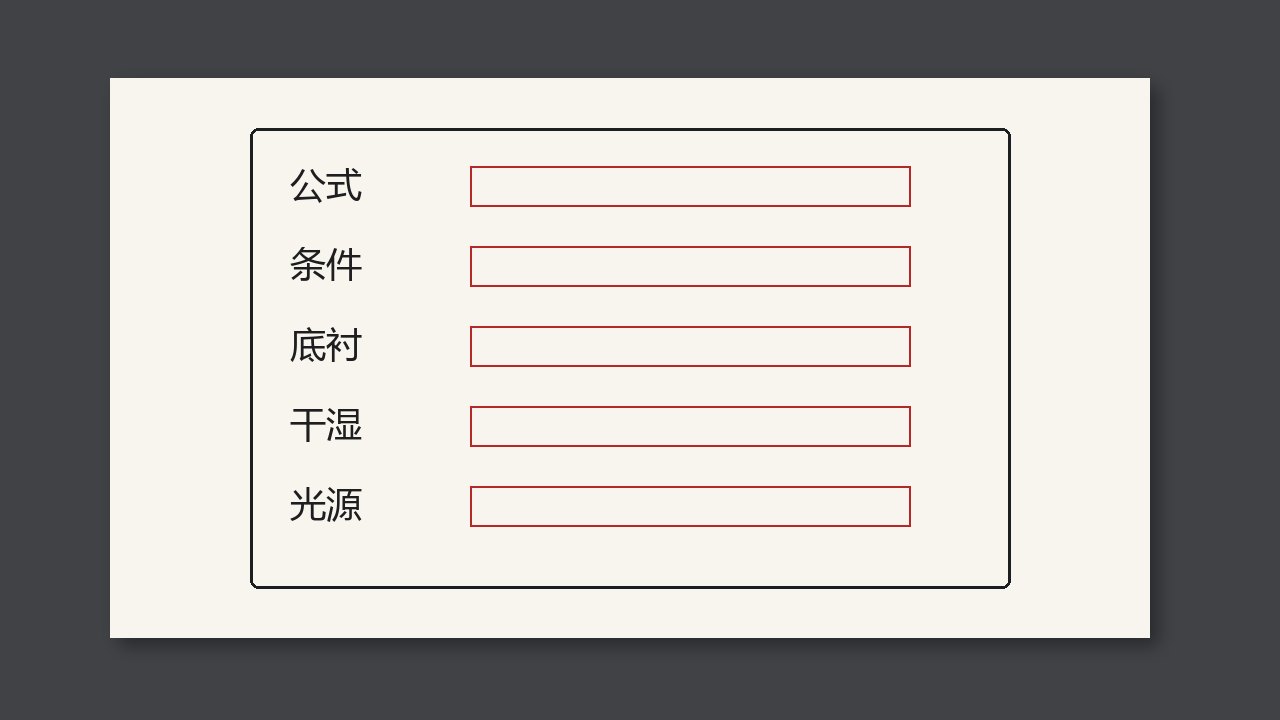
Each row at least holds
| Field | Usual in print | If it is not usual |
|---|---|---|
| Illuminant | D50 | Do not compare the whole column to a D50 aim |
| Observer | 2° | Do not compare to a 2° archive |
| Booth lamp | Preferably also D50 | Write it; eye conclusion on its own |
When you record, write
- Print D50 and 2° in the header. Do not assume the reader knows.
- Mark the whole row if settings were changed that time.
- When eye and instrument disagree, write the light that was on.