What is inter-instrument agreement, and why two devices disagree
Inter-instrument agreement is how far two instruments may sit when they measure the same patch. If they sit farther than the maker’s agreement, they cannot accept each other. If the colour tolerance is written tighter than that agreement, a pass is only the instruments jittering. Match the two instruments on the same patch, same conditions, then talk about ink.
Inter-instrument agreement is how far two instruments may sit when they measure the same patch. If they sit farther than the maker’s agreement, they cannot accept each other. If the colour tolerance is written tighter than that agreement, a pass is only the instruments jittering. Match the two instruments on the same patch, same conditions, then talk about ink.
Why they differ
Different models have different lamps, filters, and apertures. The same model, used long enough, separates as the lamp ages. If one is M1 and the other M2, or one white backing and one black, the gap is mostly condition, not a broken instrument. So when you compare, four items must match: geometry, M condition, backing, aperture. Then measure the same solid several times on each.
If the gap sits inside the maker’s agreement, both can be used, but do not ask them to agree to 0.1. If the gap is larger, send for calibration. Do not average the two and call that the customer’s result.
After the gap shows
| Gap between the two | Conditions | Action |
|---|---|---|
| Inside maker agreement | Same | Both usable; name the instrument on the report |
| Larger than agreement | Same | Take one out of service, send for calibration |
| Large | Conditions differ | Match conditions first, then compare |
When you record, write
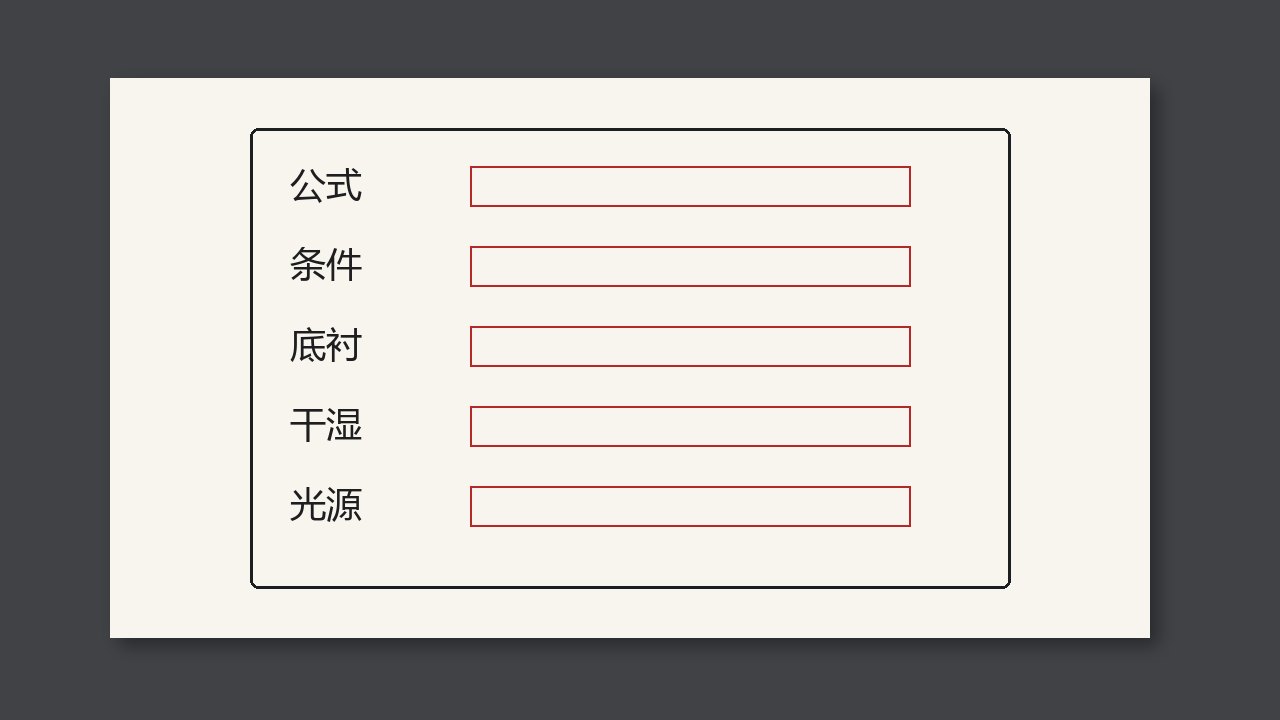
- The patch used for the comparison and both readings.
- The maker’s agreement figure.
- Acceptance uses only the instrument already matched. Do not swap in another unit for a prettier number.