What “within 2 Delta E of the drawdown” leaves unspecified
“Within 2 Delta E of the drawdown” does not name the formula, measurement condition, backing, wet or dry, or illuminant. A 2 in ΔEab and a 2 in ΔE00 are not the same tightness. Do not start acceptance until those five are written. After they are written, 2 is a number you can run.
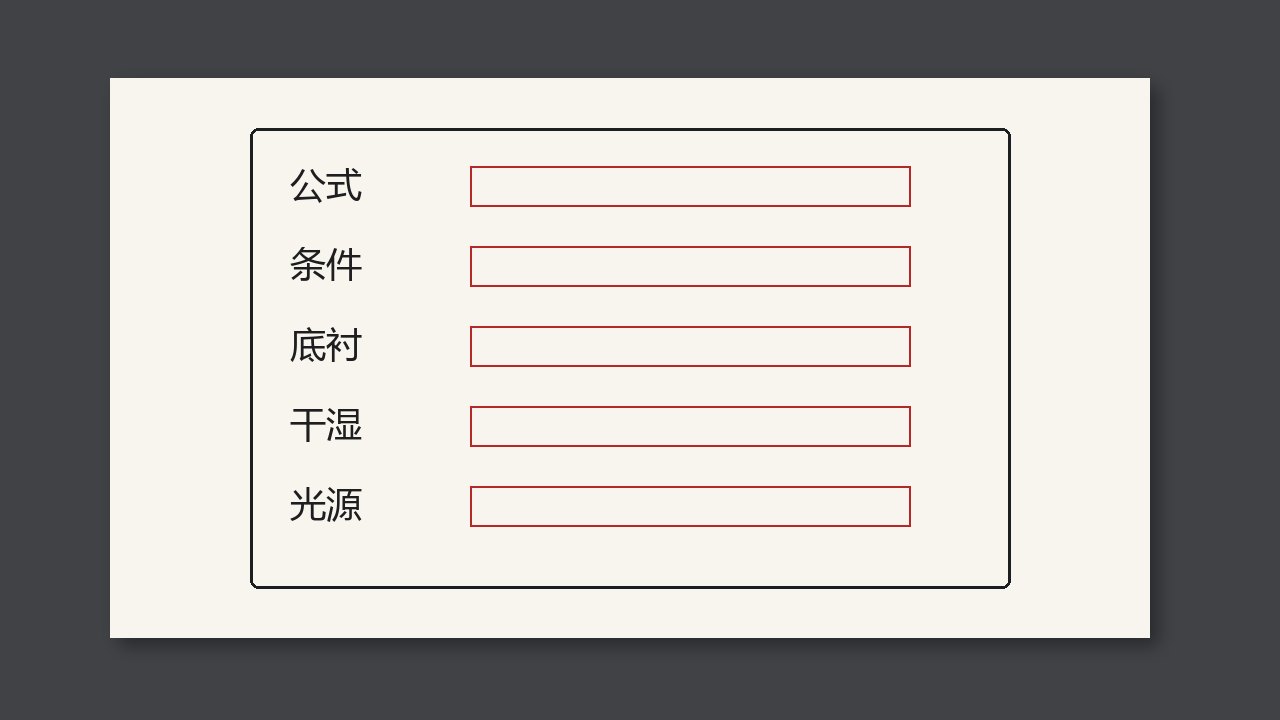
“Within 2 Delta E of the drawdown” does not name the formula, measurement condition, backing, wet or dry, or illuminant. A 2 in ΔEab and a 2 in ΔE00 are not the same tightness. Do not start acceptance until those five are written. After they are written, 2 is a number you can run.
Five blanks
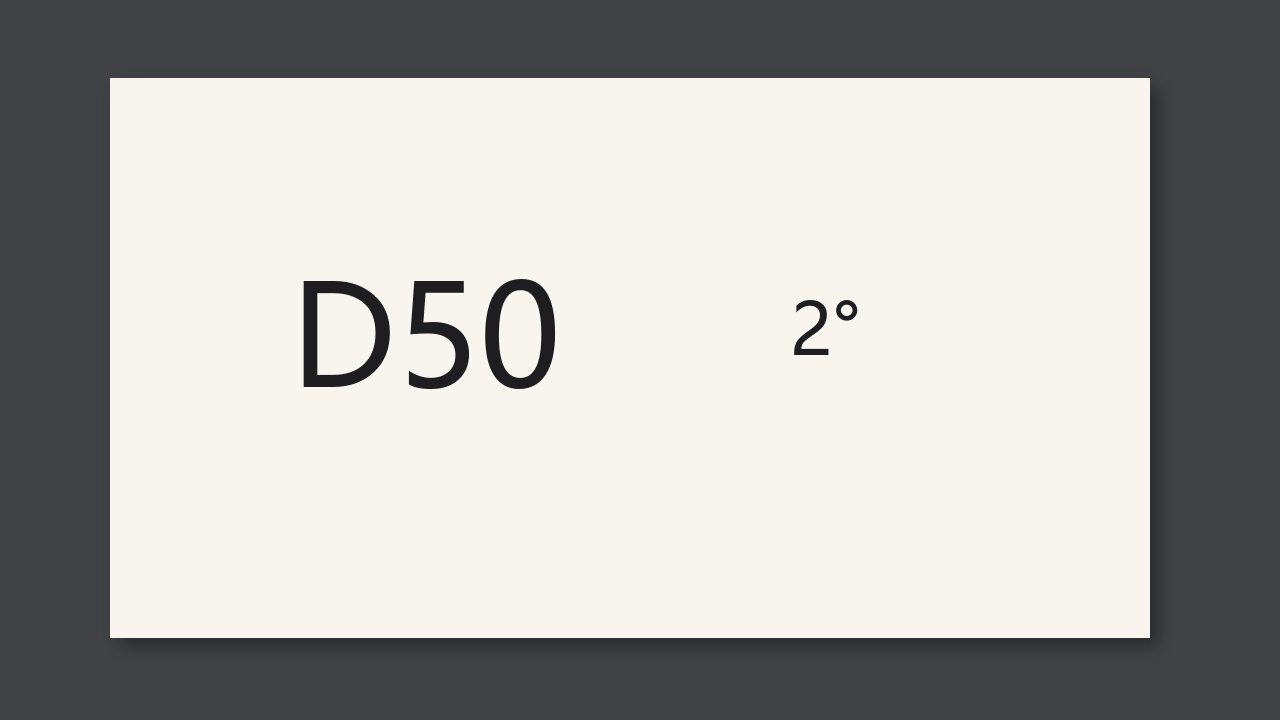
The formula decides how wide 2 is. The same pair of colours can pass one formula and fail the other. M0, M1, M2, M3 decide whether fluorescence and gloss enter the reading. Backing decides whether thin paper shows the table. Wet or dry decides whether you are still reading specular. Illuminant and observer in print work are usually D50 and 2°. If someone used D65 or 10°, those numbers cannot be subtracted from a D50 2.
A drawdown that sat too long, or was pulled on another paper, adds paper and time. So “drawdown” also names which sheet, which day, which material.
Fill these before you print for acceptance
| Missing words | If you skip them |
|---|---|
| ΔE00 or ΔEab | Each side computes its own |
| M condition | Fluorescence is counted as ink |
| Black or white backing | Thin paper follows the table |
| Dry or wet | Gloss is counted as colour difference |
| D50, 2° or the illuminant actually used | Not the same as the viewing booth |
When you record, write
- These five on the same line as the tolerance.
- Drawdown material and date beside it.
- If they are not complete, do not write pass on the report.