How to convert a customer Pantone number into a press aim
A Pantone number is only a name. The press aim is L*a*b* measured, under the agreed conditions, from a physical sample the customer confirmed. No physical sample: drawdown on the production material. After the drawdown is signed, production matches the drawdown or the signed sheet, not the fan-deck chip.
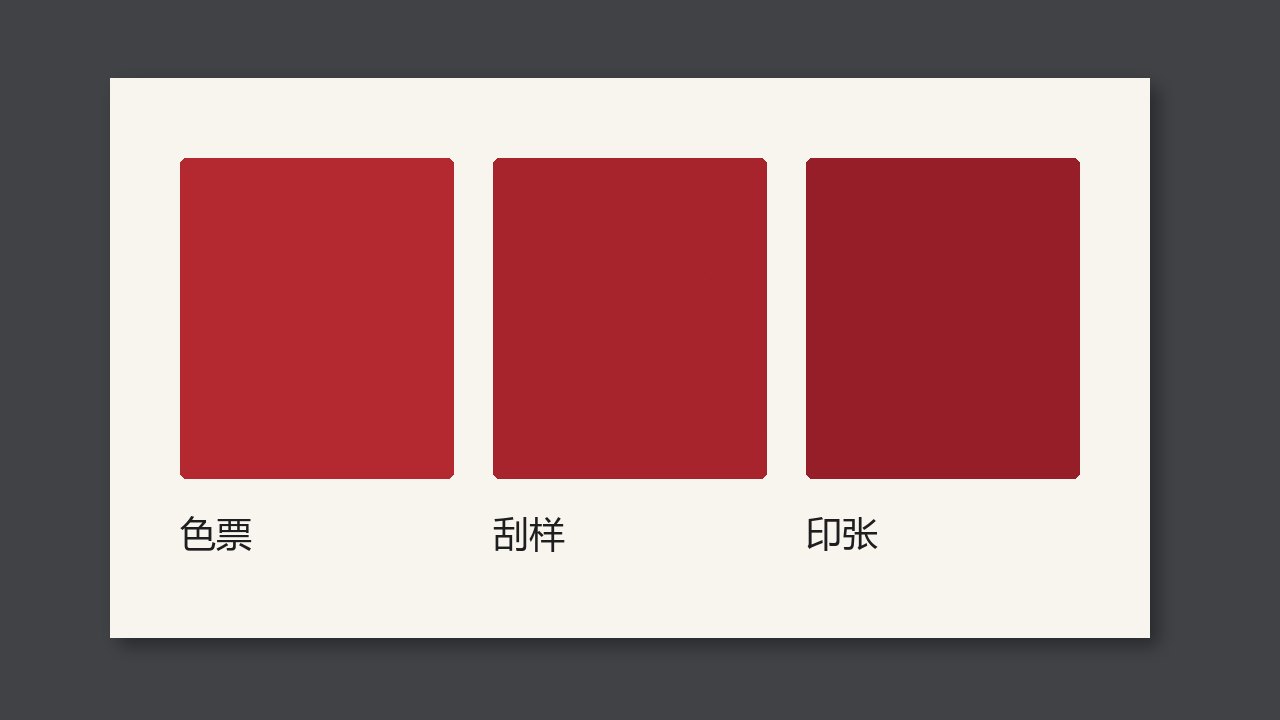
A Pantone number is only a name. The press aim is Lab* measured, under the agreed conditions, from a physical sample the customer confirmed. No physical sample: drawdown on the production material. After the drawdown is signed, production matches the drawdown or the signed sheet, not the fan-deck chip.
Do not collapse three steps into one
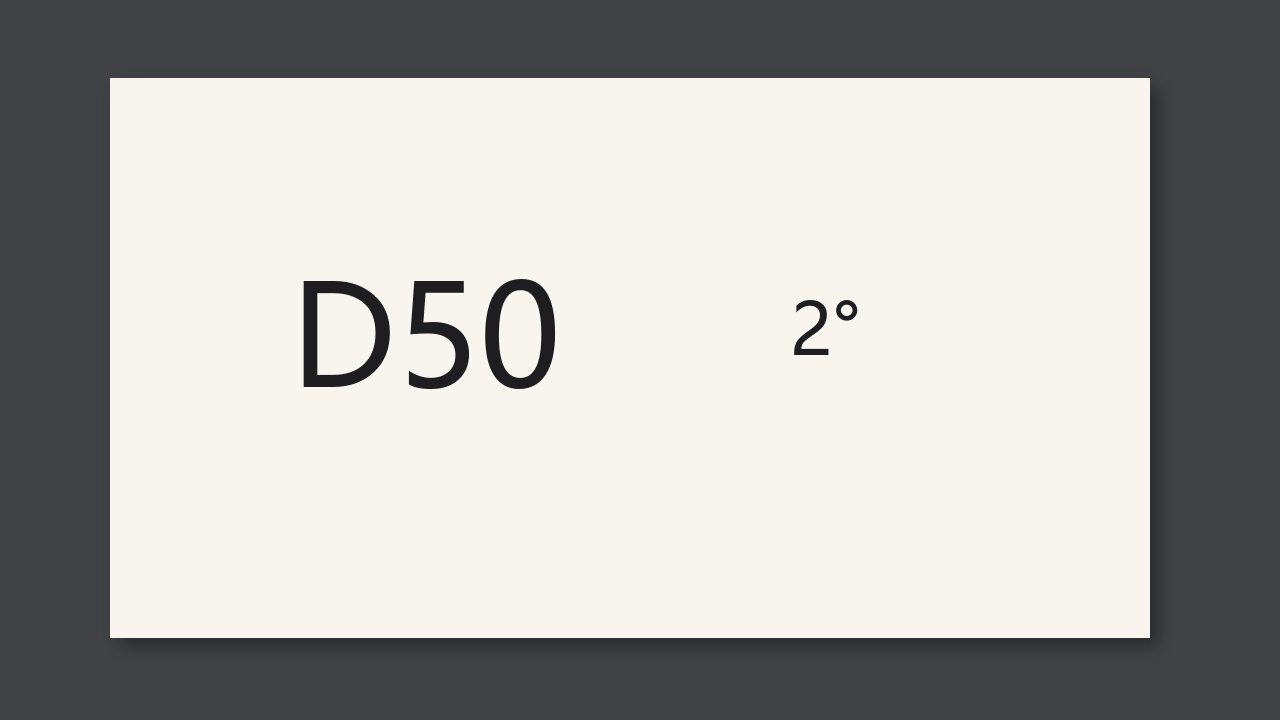
First confirm the number and the edition; the same number on fans of different years can differ. Second, make a drawdown on the paper or film that will run, and measure with the M condition and backing production will use. Third, the customer signs that drawdown or the first sheet; that Lab* set is the aim for later rolls. A reading from the fan only helps mix ink; paper and film will pull it off.
A formula in mixing software is a means to that aim. The formula can change; the target Lab* does not follow unless the customer signs again.
Which aim
| Where you are | Press matches | Fan reading |
|---|---|---|
| Number only | No aim yet | Mix reference only |
| Drawdown, not signed | Not acceptance yet | Keep until signed |
| Drawdown or sheet signed | That signed Lab* set | Do not go back and rewrite the aim |
When you record, write
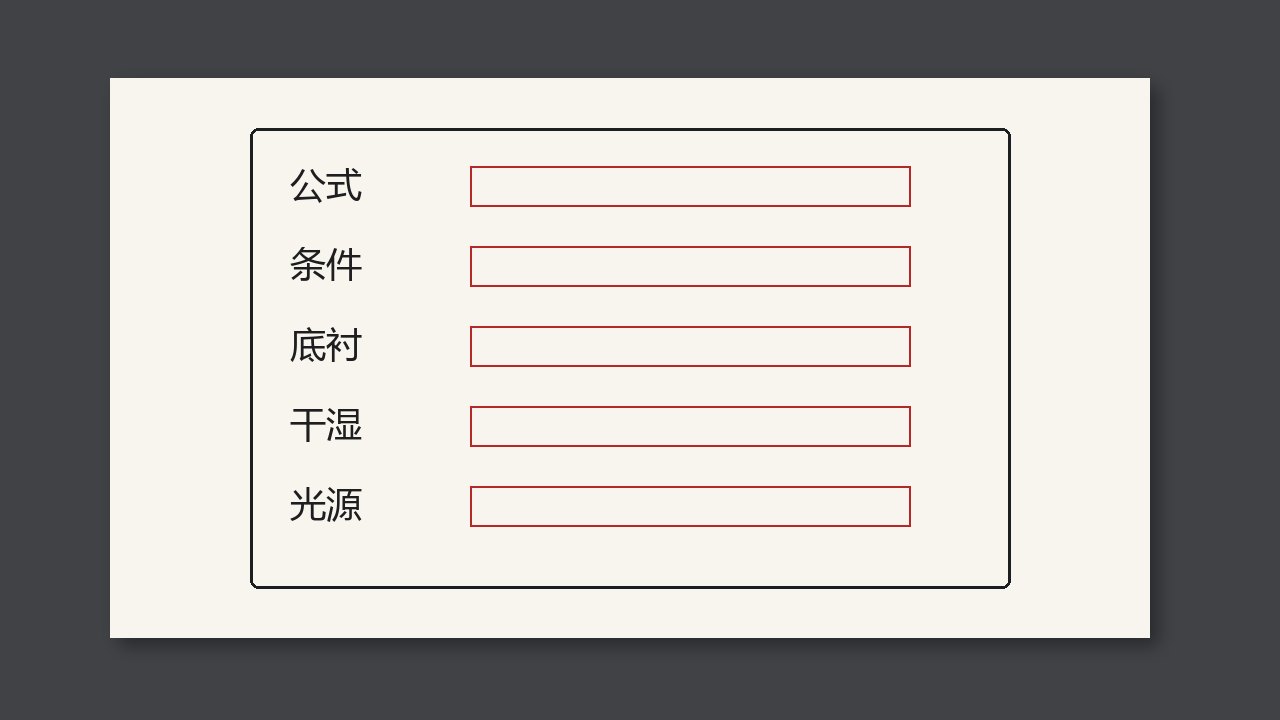
- Colour number, edition, and target Lab*.
- Conditions and material when the aim was measured.
- Keep the signed sheet on file; production reports cite it.