What is SCTV, and when it is better than density for spots
SCTV is a colorimetric algorithm for spot-colour tone value, written in ISO 20654. It makes 50% sit near the middle between the solid and paper white. Density was built for CMYK; on a spot it reads the midtone wrong. Use SCTV for spot tone, colour difference still for the solid.
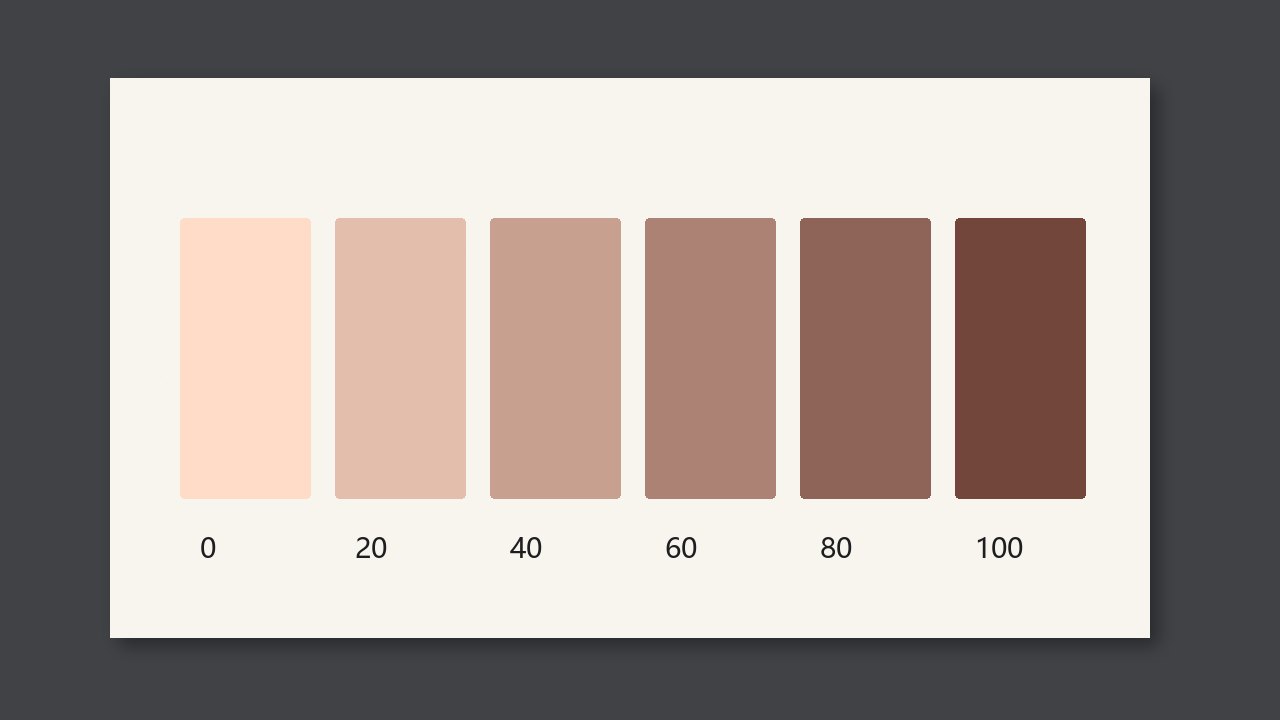
SCTV is a colorimetric algorithm for spot-colour tone value, written in ISO 20654. It makes 50% sit near the middle between the solid and paper white. Density was built for CMYK; on a spot it reads the midtone wrong. Use SCTV for spot tone, colour difference still for the solid.
Density lies on a spot
Density assumes the ink filters light much like cyan, magenta, yellow, or black. An orange or green spot does not climb density with visual darkness. Treat a density-calculated 50% as the aim and the print may look like 30% or 70%. SCTV uses colour difference to compute that step, so spot screens and fades look at it.
Whether the solid is acceptable still comes from colour difference to the aim, not from SCTV. SCTV is tone from 0 to 100, and 100 is this solid itself. If the solid hue is already off, SCTV 50% faithfully sits on that wrong road.
What to watch
| Object | Use | Do not use |
|---|---|---|
| Spot fade, spot tint | SCTV | Density-converted tint |
| Whether the spot solid matches | Colour difference | SCTV |
| CMYK ink film | Density is fine | Do not replace a density aim with SCTV |
When you record, write
- Spot tone as SCTV and percent.
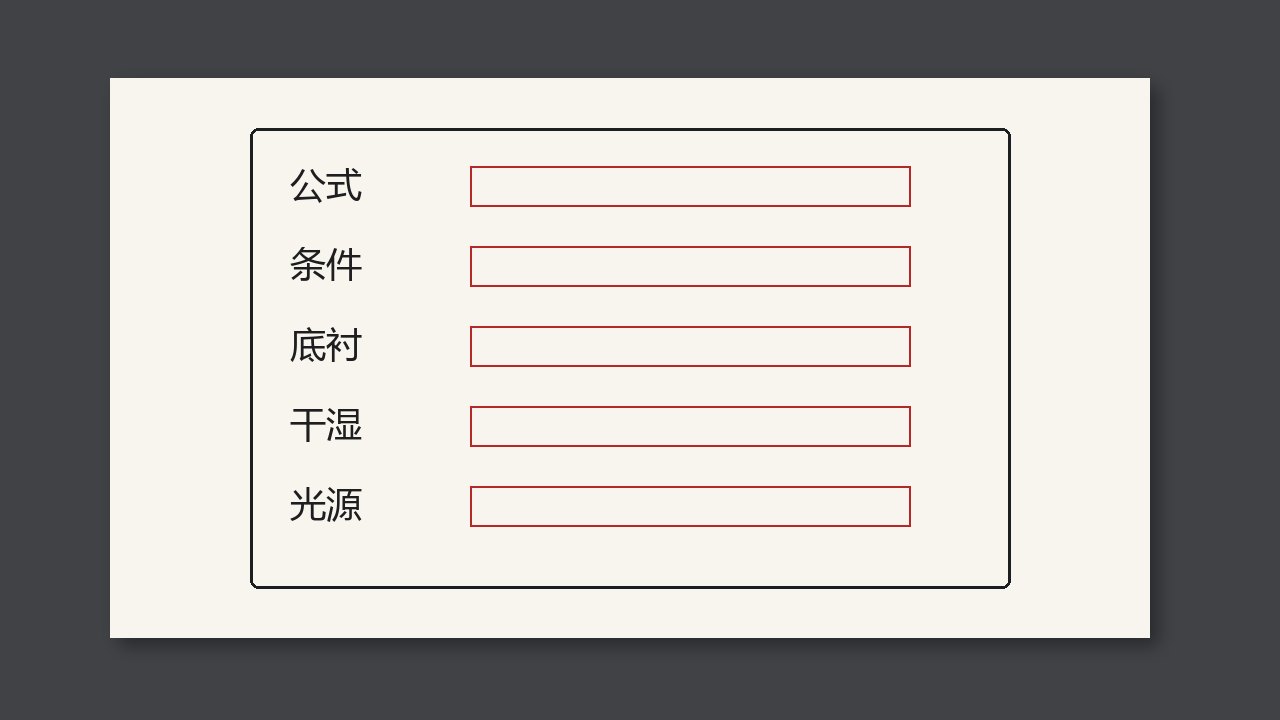
- Solid separately as Lab* and colour difference.
- If the instrument only outputs density tints, do not accept spot screens on that number.