When Is Tail-Edge Curl Considered a Printing Defect
The tail edge curls upward, and it is ink and water that have deformed the paper, so it remains uneven in subsequent processes—this counts as a printing defect. If delivery grippers or fans bend the tail edge and it can be flattened again in the pile, that is a delivery issue; do not record it as a nonconforming print. Lay the sheet flat and check again after 10 minutes; only if it still curls does it count.
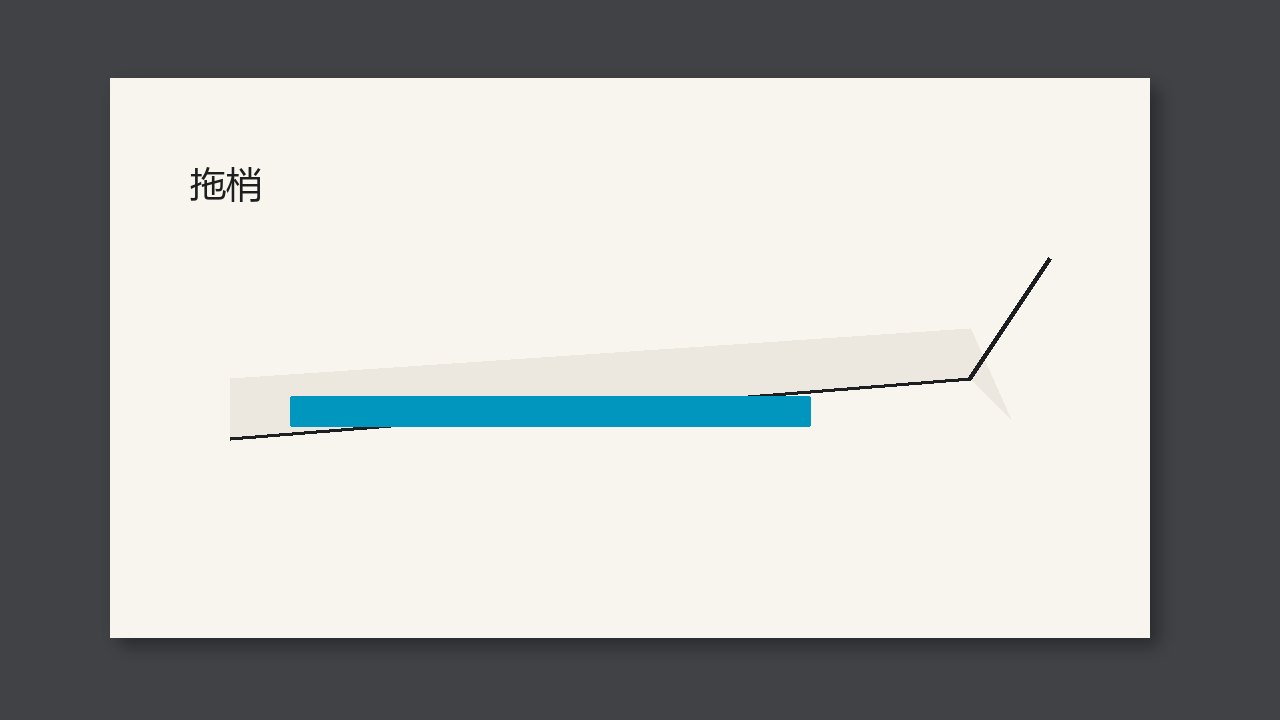
The tail edge curls upward, and it is ink and water that distort the paper so that it is still not flat in later processes—this counts as a printing defect. If the delivery grippers or fans bend the tail edge and it can be flattened again in the pile, that is a delivery issue; do not record it as a nonconforming print. Lay the paper flat for 10 minutes and then check; only if it is still curled does it count.
Two kinds of curl are not the same thing
Tail-edge curl caused by printing is due to different expansion and contraction on the front and back of the paper. The side with a large solid area and more water will continue to bend to one side after drying; if you press it into the pile, it will rise again after a while, and die-cutting and folder-gluing will fail to feed because of it. Curl caused by delivery is mechanically induced; gripper marks or fan marks can be seen on the paper corners, and when pressed into a stack of the same blank paper it will quickly flatten.
So do not draw a conclusion in the delivery section just after grabbing a sheet that is still fanning. Take it to the viewing table, lay it flat, wait for it to stabilize on its own, and then see whether there is still a gap between the tail edge and the table surface.
Whether it counts as a defect
| After laying flat | Later processes | Record |
|---|---|---|
| Tail edge still off the table surface, cannot be pressed flat | Feeding or folder-gluing will stop | Printing defect; check water and solid areas |
| Flattens immediately, only gripper marks | Can pass | Delivery adjustment; printed product is not waste |
| The whole sheet is like corrugated board, not just the tail edge | Cannot pass | Paper moisture content; do not blame only tail-edge ink volume |
Do this first in this round
- Measure the tail-edge gap 10 minutes after the sample leaves the machine; do not measure it right there in the delivery section.
- If only the tail edge curls, reduce the water and solid ink layer on that side.
- If the whole sheet is distorted, first measure the paper moisture content; do not only change the ink.