What is the difference between a line-scan and an area-scan camera
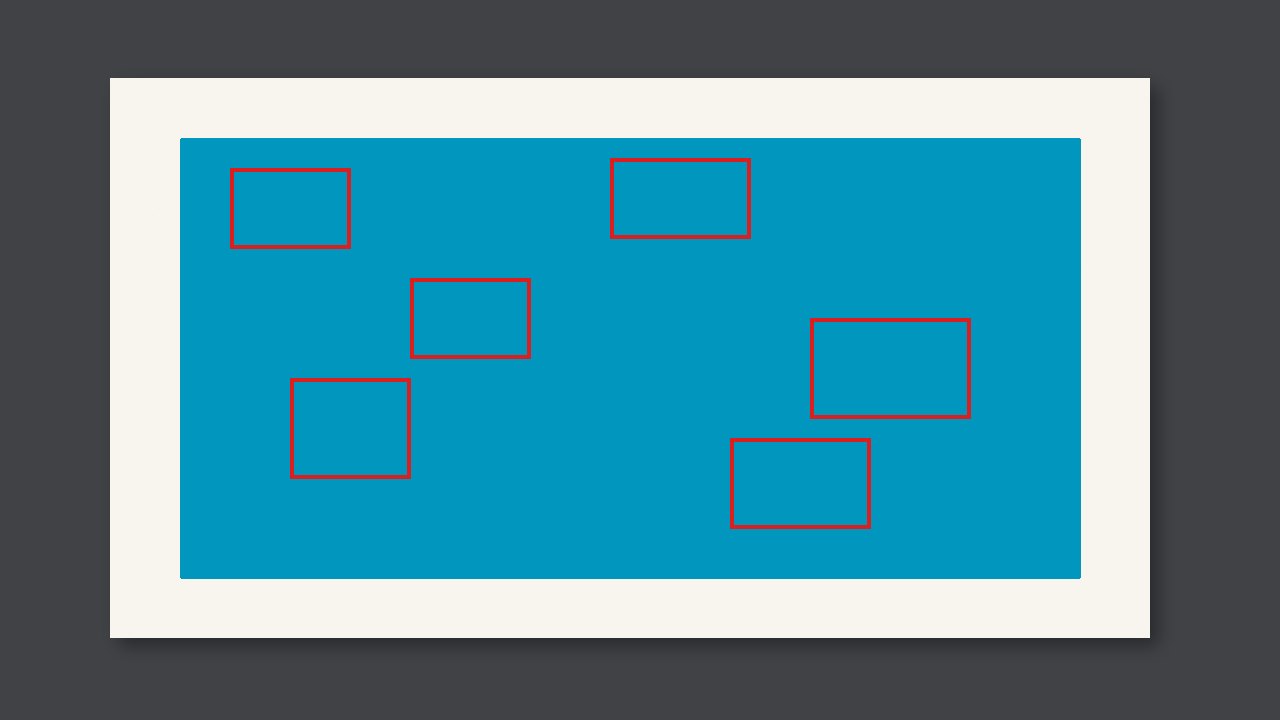
A line-scan camera takes one line and builds the image as the web runs, which fits continuous 100% inspection. An area-scan camera takes a patch; if frames do not join, the gap was never seen. Prefer line-scan for labels unless you prove there is no gap between frames.
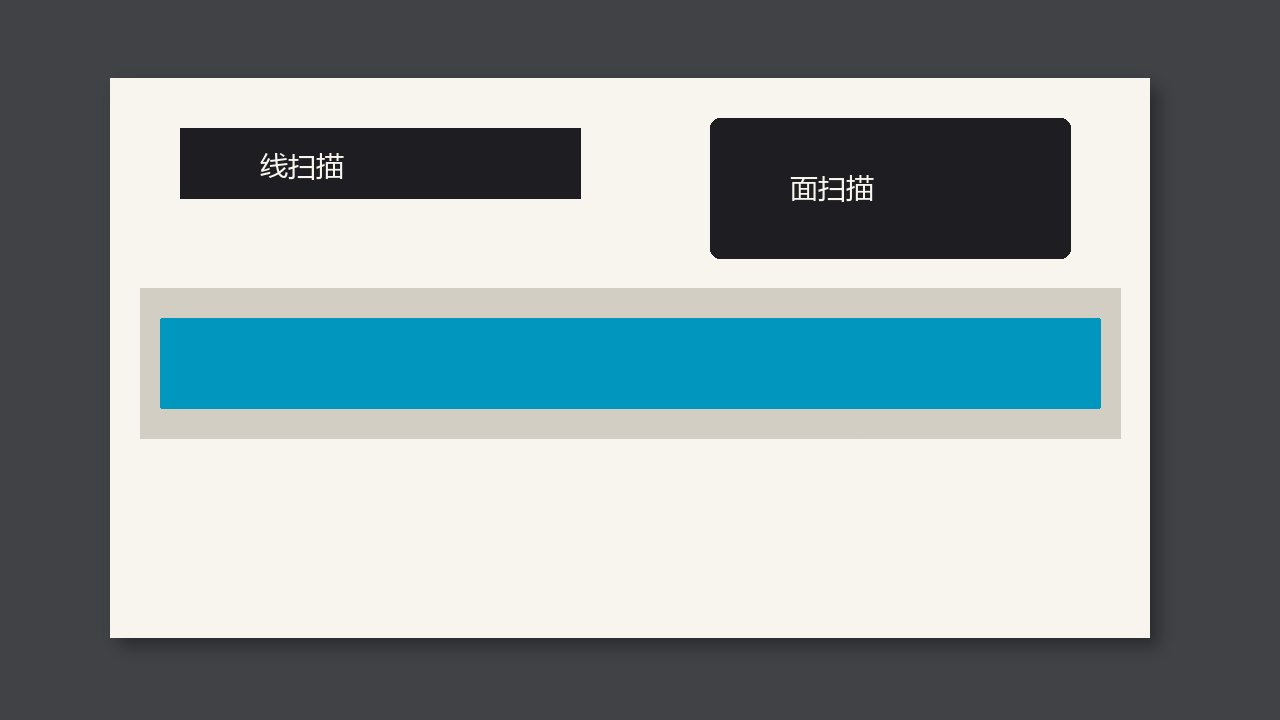
A line-scan camera takes one line across the web and builds the image as the web runs. That is the right tool for continuous 100% inspection. An area-scan camera takes a whole patch, usually frozen with a strobe. If two frames do not join, the strip in between was never seen. For label 100% inspection, prefer line-scan unless you can prove there is overlap between frames.
Where each one misses
If the line rate keeps up with web speed, the web direction is continuous. The risk is a line rate that is too slow: the web direction stretches, fine dots become streaks or vanish. An area-scan frame itself can look sharp. The risk is between frames: a late trigger or a speed change leaves a strip with no image. Dirt in that strip will not alarm, because it was never captured.
So when you accept an area-scan system, look at overlap of neighbouring frames at top speed, not at how pretty one frame is. For line-scan, at top speed measure how many lines a known length occupies in the web direction.
How to choose
| Need | Better fit | Check |
|---|---|---|
| Continuous web, 100% inspection | Line-scan | Line rate at top speed |
| Spot-check one label, can stop to shoot | Area-scan | That frame really covers the whole label |
| Area-scan claimed as 100% | Look at overlap first | No overlap: do not write 100% |
Check before the job runs
- Run a known length at top speed.
- Line-scan: count lines. Area-scan: look at overlap of neighbouring frames.
- If overlap or line rate is short, slow down or change the setup. Do not first loosen the defect threshold.