How strobe lighting differs from continuous light on a press
A strobe freezes motion with one very short flash and suits area scan. Continuous light stays on. Line scan forms the image as the web moves, and the exposure must be short enough not to smear. If the strobe matches a repeat, the picture looks still while labels in between were missed. Continuous light has no beat prob
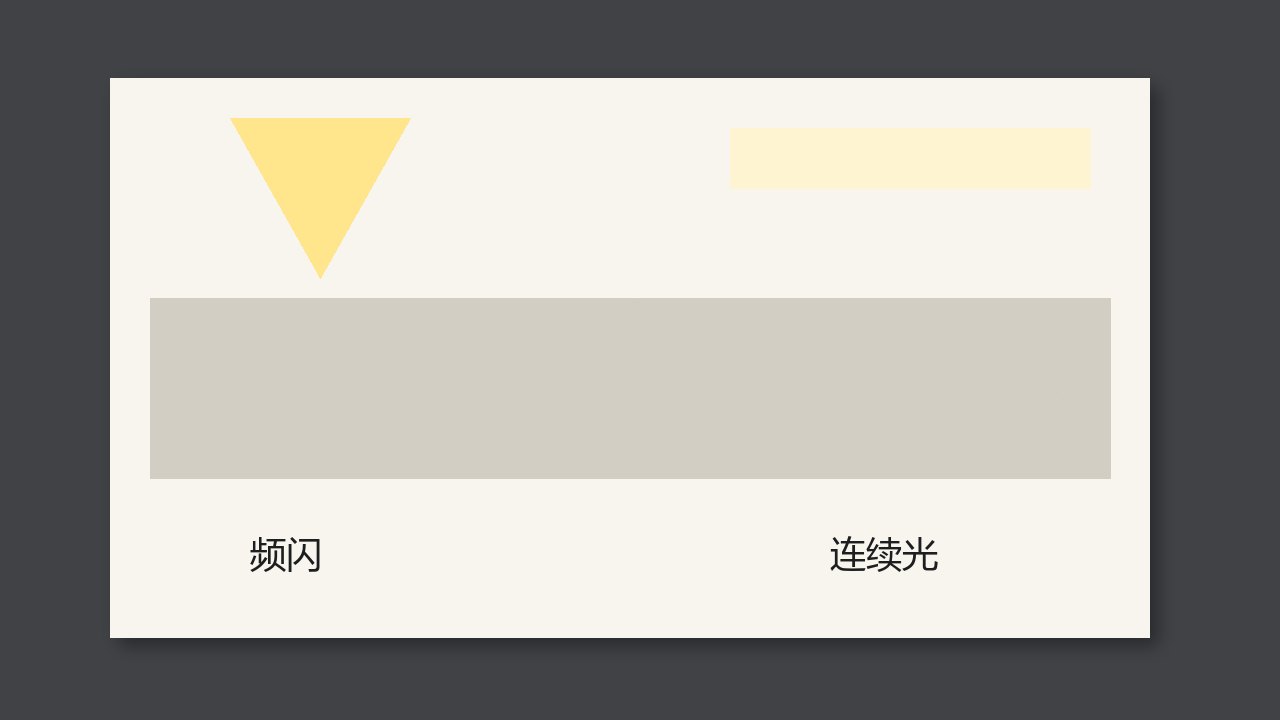
A strobe freezes motion with one very short flash. It suits an area-scan camera. Continuous light stays on. A line-scan camera forms the image as the web itself moves forward, and the exposure has to be short enough not to smear. If the strobe lands on the frequency of a repeating pattern, the picture looks still while the labels in between were never lit. Continuous light has no beat problem, but it spends more of the exposure time.
The gap each one leaves
A strobe has an image only at the instant of the flash. If the next flash lands again on the same place in the repeat, the labels in between may never have been lit, while a person looking at the screen thinks the picture is steady. Run a mark that does not repeat, at top speed, and confirm every label entered the frame. Continuous light with line scan is continuous. Its gap becomes smear from an exposure that is too long, or noise from a lamp that is not bright enough.
Do not treat a proofing strobe as an inspection lamp. The eye may see the web frozen while the camera’s integration time is still longer than the flash, and the smear is still there.
How to pair them
| Camera | Usual light | What to guard against |
|---|---|---|
| Area scan | Strobe | Labels missed between flashes |
| Line scan | Continuous light | Smear inside the exposure |
| A strobe only for the eye | Not used directly as inspection | Camera smear is still there |
Check at a job change
- At top speed, see whether a round dot has been stretched.
- On a strobe system, run a stretch of numbers that differ on every label and confirm no whole label disappears.
- Write down the flash time or the exposure time.