What closed-loop register is, and what it will not correct
Closed-loop register reads the marks with a camera and turns the cylinder back. It can pull back a slow drift. It will not correct a reversed plate, a mark printed off, or colour and dirt. A hit faster than the motor, and the length already printed, cannot be pulled back.
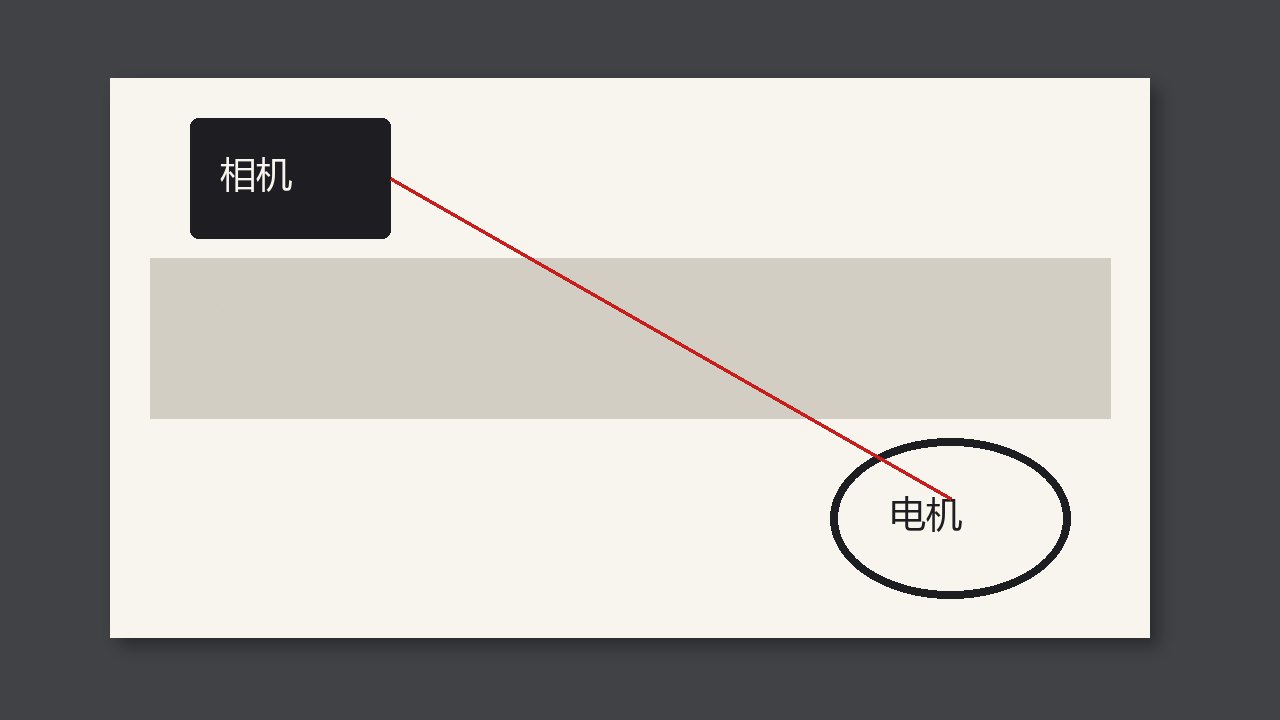
Closed-loop register reads the register marks with a camera and has a motor turn the cylinder back. It can pull back a drift that happens slowly. It will not correct a plate made the wrong way around, a mark that was itself printed off, or colour and dirt. A hit faster than the motor, and the length already printed, cannot be pulled back.
Where it stops
The camera only measures the distance between marks. If the mark was already off at platemaking, the loop will work to hold that wrong distance, and the artwork is still wrong. Dirt, missing print, and colour difference are not in this loop. Having the loop on does not mean appearance is under control.
The loop has a response time. A sudden jump from a splice is already several metres past by the time the motor has turned into place. Keep the alarm or the reject for that length. Do not treat it as if it did not happen because the loop was on.
What it cannot do
| Problem | Closed loop | Still needed |
|---|---|---|
| Slow drift from temperature and tension | Can pull it back | The length before it pulls back still needs inspection |
| Plate reversed, or the mark printed wrong | Will hold the error | A person checks the marks first |
| Dirt, colour difference | Not in the loop | A separate inspection |
| One impact | Too late | Mark that length |
Check at a job change
- Confirm the marks are in the camera, and that they are this job’s marks.
- Offset it on purpose. See whether the motor walks back, and write the metres before it walks.
- Do not write the loop switch as if 100% inspection is on.