What Is Slur, and How Is It Different from Ghosting?
Slur is when halftone dots are smeared in one direction into comets with fuzzy edges, and there is no second clear dot. Ghosting is when there is another offset ghost beside a clear dot. For slur, check pressure and speed differential first; for ghosting, check bounce, a loose plate, and whether registration is moving back and forth.
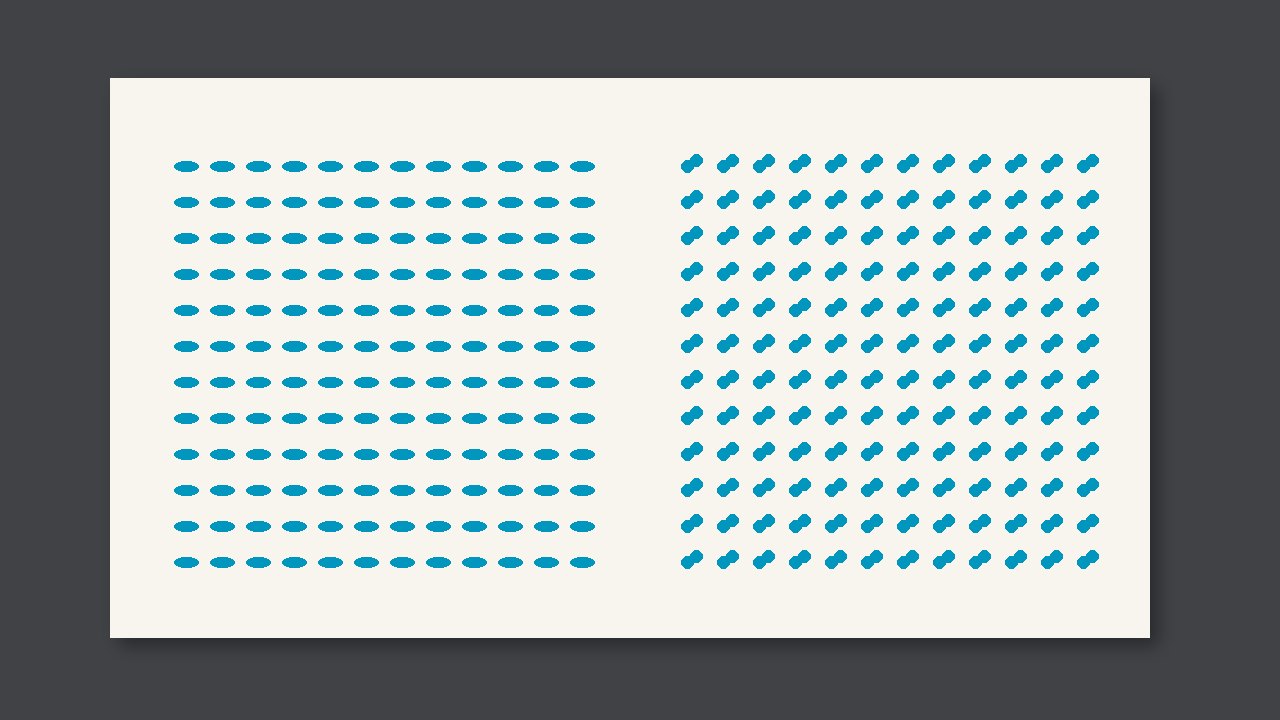
Tailing is when halftone dots are smeared in one direction into a comet shape, the edges become fuzzy, and there is no second clear dot. Ghosting is when a clear halftone dot has another offset shadow next to it. For tailing, check pressure and speed difference first; for ghosting, check bounce, loose plate, and whether registration is moving back and forth.
Differences Under a Magnifier
With tailing, the halftone dot is still a single dot, only elongated along the paper travel direction or laterally, and the ink in the tail is lighter than in the head. With ghosting, both dots are clear; the second is usually lighter and is offset by a fixed, very small distance. If you increase pressure, the tail in tailing becomes longer; the two dots in ghosting remain separate, and the second dot may even become more obvious.
Tailing is commonly caused by excessive impression, inconsistent speeds between the rollers and the web, or ink that is too thin and squeezed out. Ghosting is commonly caused by the web or sheet bouncing during impression, the plate not being mounted tightly, or the registration mechanism correcting back and forth within a small range.
What to Adjust First
| Under magnification | Name | Check first |
|---|---|---|
| A halftone dot dragged into a tail | Tailing | Pressure, speed difference, ink consistency |
| Two clear halftone dots offset | Ghosting | Bounce, plate adhesion, whether registration is shaking |
| A solid area looks blurry overall but the dots are not deformed | Neither | Go back and check uneven pressure or low spots in the blanket |
Do This First This Round
- Use a magnifier to look only at midtone halftone dots; on solid areas you cannot tell whether it is a tail or a double image.
- If it is a tail, reduce pressure and check speed; if it is a double image, check for knocking and a loose plate.
- Do not cover it up by adding ink. More ink makes both more obvious.