What Dot Plugging Looks Like Under a Loupe
Dot plugging is when the spaces between halftone dots are filled with ink under a loupe, and adjacent dots merge together, especially in tones above 70%. If the entire tonal range darkens together and the shapes remain round, the curve or ink volume is globally too high; only when one area or one direction merges together is it a plugging defect—do not adjust the plate curve.
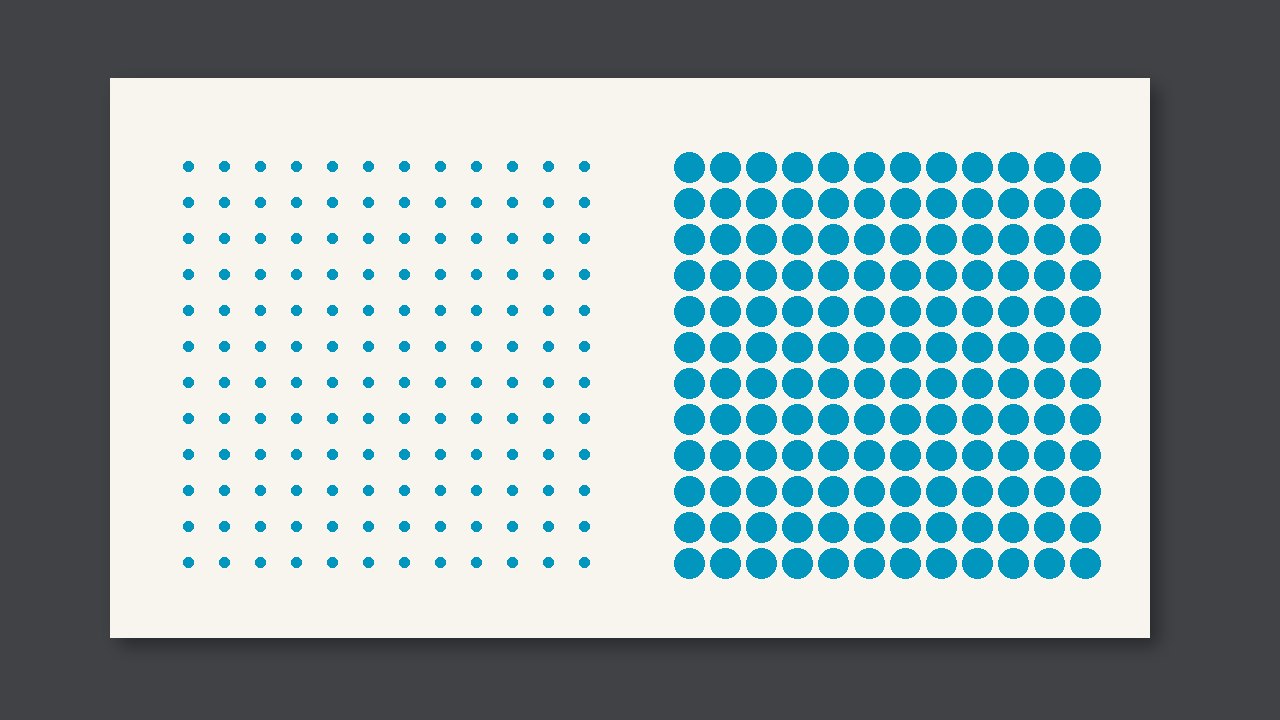
Filling in is when, under magnification, the gaps between halftone dots are filled with ink and adjacent dots merge, especially in tones above 70%. If the entire tonal range darkens together and the dots remain round, the curve or overall ink volume is too high; only when one area or one direction merges is it a filling-in defect, so do not adjust the plate curve.
What you should see under magnification
Normal 50% dots still have clear paper white between them, and the dot edges are relatively sharp. After filling in, the paper white becomes a thin slit; in more severe cases it merges completely, looking like a few white spots left in a solid. If the dots connect only after being elongated, that is slur causing filling in, and slur must be solved first.
If the whole plate from highlights to shadows is one step darker than the signed-off sheet and the dots are still separated, the ink volume is high or the plate curve itself is high. Adjusting local pressure will not help; go back to the density or dot gain of the signed-off sheet. Only when the trailing edge, only one color, or only the screen next to a large solid merges should you treat that spot as a defect and fix it.
Change the curve or change the press
| Under magnification | Scope | Action |
|---|---|---|
| Dots remain round, just all larger | Whole plate, all colors | Reduce ink volume or adjust curve to match the signed-off sheet |
| White between dots is gone | One area or one color | Reduce pressure, check for plate plugging and slur |
| Dots connect only after elongation | Along one direction | Treat as slur first |
Do this first this round
- Check the 50% and 70% areas; do not only look at solids.
- If the whole plate is darker together, match the signed-off sheet; do not wash the plate.
- If only one area merges, stop the press and check that area's pressure and whether the plate is plugged.