How to compare inline colour measurement with an offline instrument
Compare inline colour and the offline instrument on the same patch, the same backing, and the same M condition. If they do not agree, do not release on the inline number.
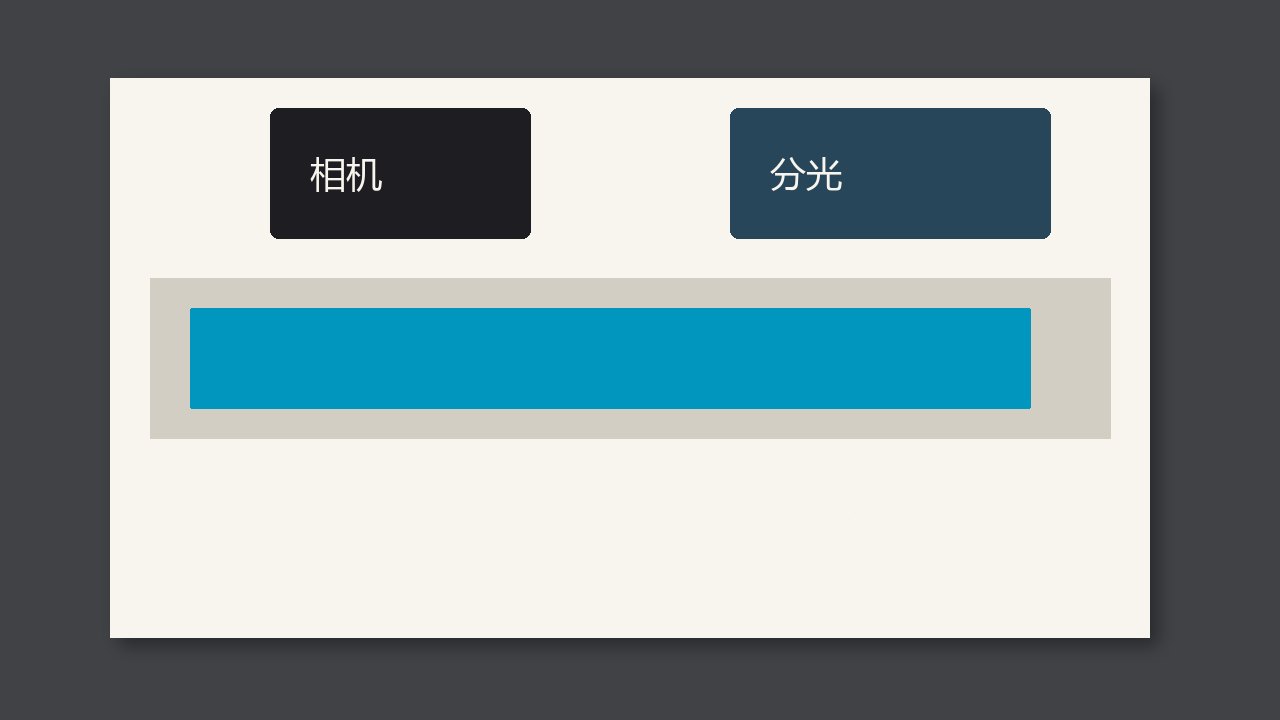
When you compare inline colour measurement with an offline instrument, read the same patch, on the same backing, under the same M condition, once on each. If they do not agree, do not use the inline number for release. Inline is for watching drift. The release ΔE still comes from the agreed offline instrument, unless the two have been compared and the offset is written down.
Why it is judged this way
The geometry of an inline instrument is not the geometry of an offline one. A difference of 1 ΔE is common. Write that difference down. Later, when inline alarms, check again with the offline instrument. Using the inline reading straight against the customer’s tolerance can stop a good sheet or pass a bad one.
What to compare
| What you see | What to call it | What not to do |
|---|---|---|
| The same patch is close on both, and the difference is recorded | They can refer to each other | Treat them as the same number |
| The difference is large | Release uses only the agreed instrument | Pick the reading that looks more like a pass |
| The comparison was done on only one material | Do not extend it to metallised film | Write it as all materials |
At job change or when a roll is opened
- Pick one solid and measure it once on each instrument.
- Write down the difference.
- The customer’s tolerance uses only the agreed instrument.