What shutter speed keeps up with a fast label press
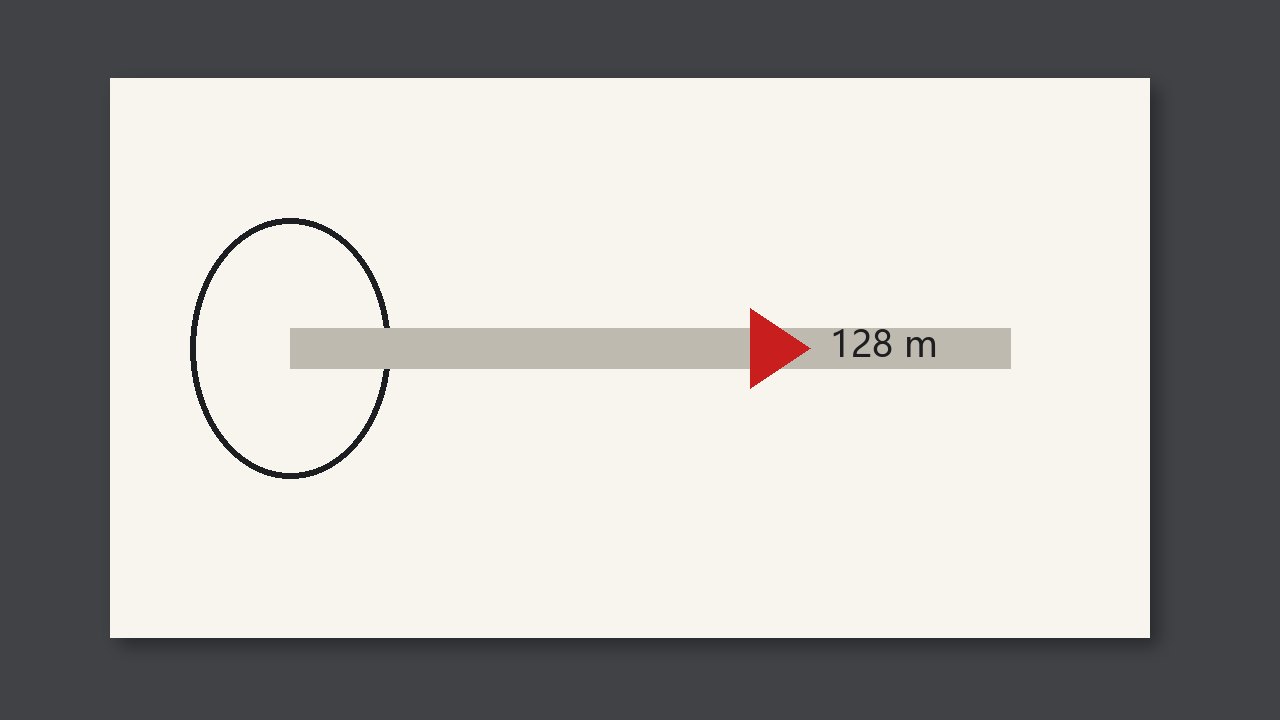
The web must travel less than one pixel during the exposure, or the web direction smears. 200 m/min is 3.33 m/s. A 0.05 mm pixel needs an exposure shorter than about 15 microseconds. If the camera cannot do that, strobe the light down to that length. Do not report a high resolution instead.
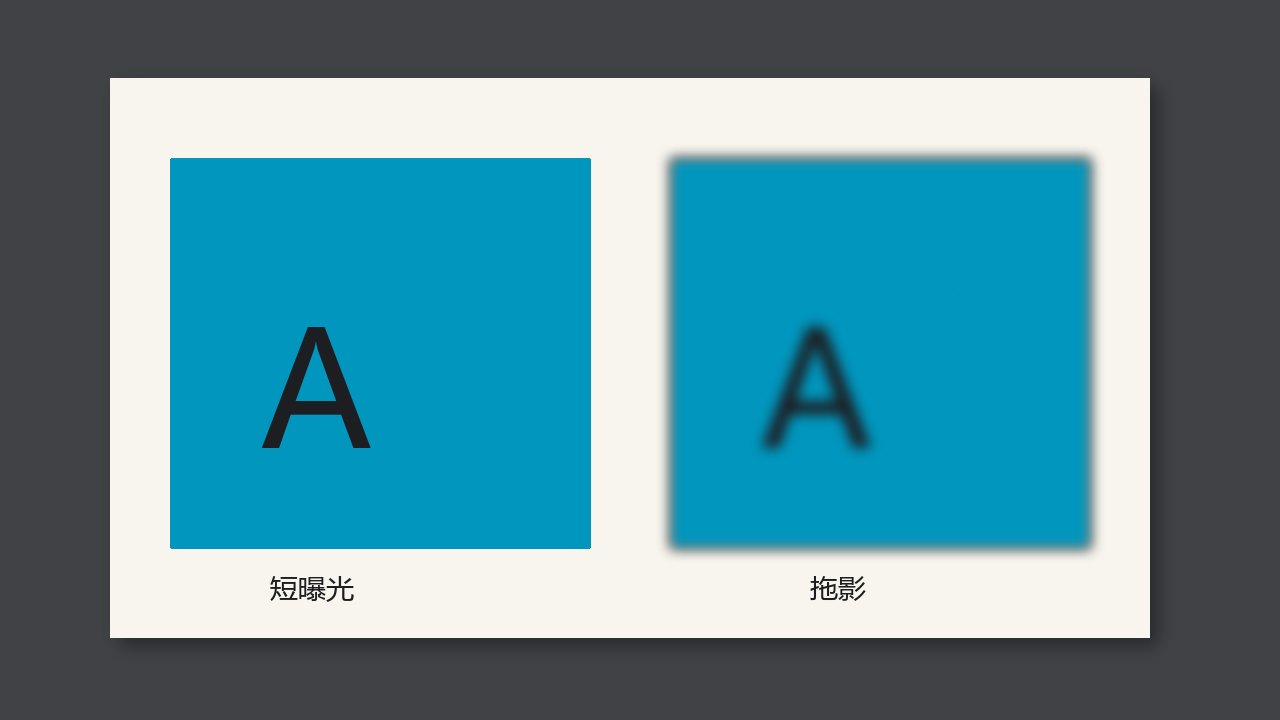
The web must travel less than one pixel during the exposure, or the web direction smears. 200 m/min is 3.33 m/s. If the pixel is 0.05 mm, the exposure has to be shorter than about 15 microseconds. If the camera cannot do that time, use a strobe to hold the light to that length. Do not report a high resolution instead.
An example you can recalculate
200 m/min divided by 60 is 3.33 m/s. 0.05 mm is 0.00005 m. The allowed time is 0.00005 divided by 3.33, about 15 microseconds. If the exposure is 1 millisecond, the web has already moved more than 3 mm, and a small dirt spot is pulled into a streak. The frame looks soft because of motion, not focus.
As speed rises, the allowed exposure shortens in proportion. A line-scan camera still has to meet the line rate at the same time. If a shorter exposure leaves the frame dark, raise the strobe peak. Do not put the exposure back.
Speed and exposure
| Speed | Pixel | Exposure shorter than |
|---|---|---|
| 100 m/min | 0.1 mm | About 60 microseconds |
| 200 m/min | 0.05 mm | About 15 microseconds |
| Faster or finer | Recalculate the same way | Do not reuse the microseconds from the row above |
Check at a job change
- At top speed, shoot a known round dot.
- If the dot is stretched in the web direction, shorten the exposure or change the strobe.
- Write this speed and exposure on this job. A pass at a lower speed does not count.