What to inspect on a peel-and-reveal label
On a peel-and-reveal label, every layer that should carry artwork must have it, and the peel area and the seal area must not be printed wrong. Inspecting only the top layer will ship a reversed instruction underneath.

On a peel-and-reveal label, every layer that should carry artwork must have it, and the peel area and the seal area must not be printed wrong. Inspecting only the top layer will ship a reversed instruction underneath. You do not have to peel every label, but there must be a station that can see the inner layer, or a written sampling rule.
Why it is judged this way
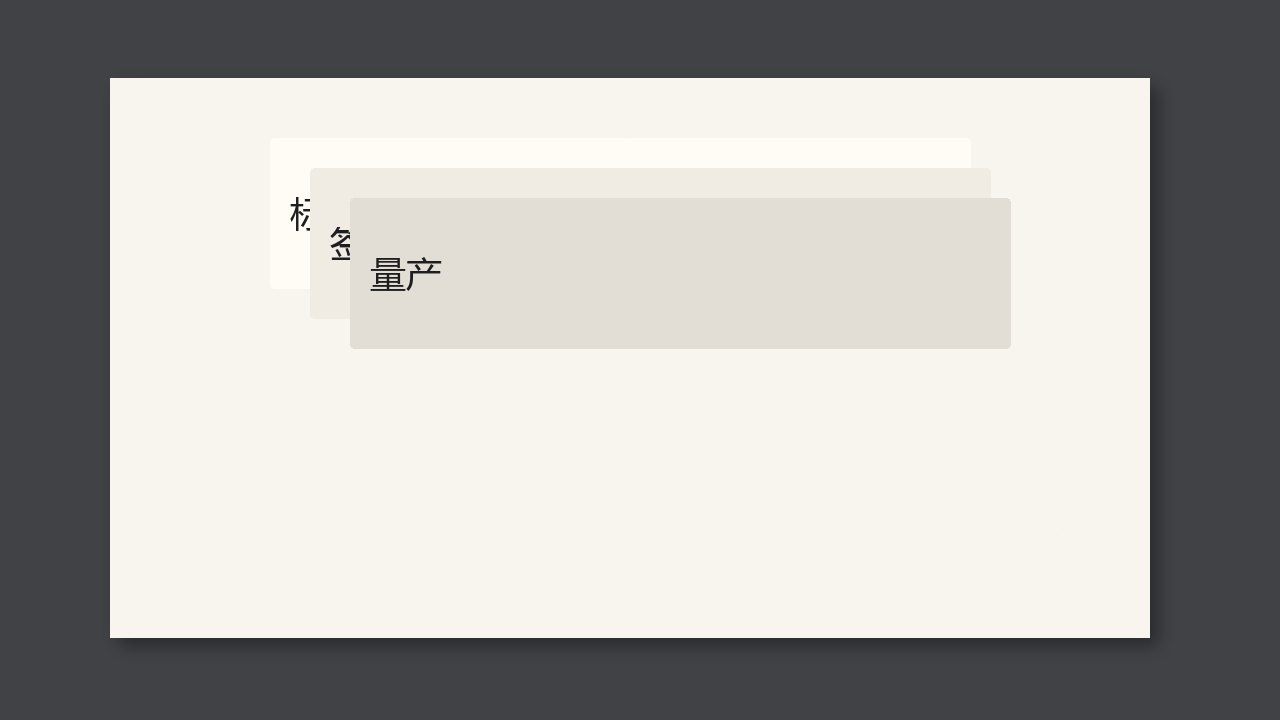
In production the inner layer is printed first, then laminated. Inspection of the inner layer is done before lamination. After the cover goes on, it cannot be seen. Inspection after lamination can see only the outer layer and the edge. Keep both stations' conclusions on the same job ticket.
What to compare
| What you see | What to call it | What not to do |
|---|---|---|
| Inner layer already inspected before lamination | You do not have to peel every label | After lamination, look only at the outside and still call it a full inspection |
| Outer seal area printed wrong | Stop | Pass it because the inner layer is correct |
| No inner-layer record | Do not write that every layer was inspected | Add a verbal confirmation |
At job change or when a roll is opened
- Inspect the inner layer before lamination.
- After lamination, inspect the seal and the appearance of the outer layer.
- Write both results on the same job ticket.