What a private-label brand owner measures that the printer does not
What a private-label brand owner measures, and the printer often does not, is the brand colour beside the signed colour sample, and whether the small type matches the final artwork.
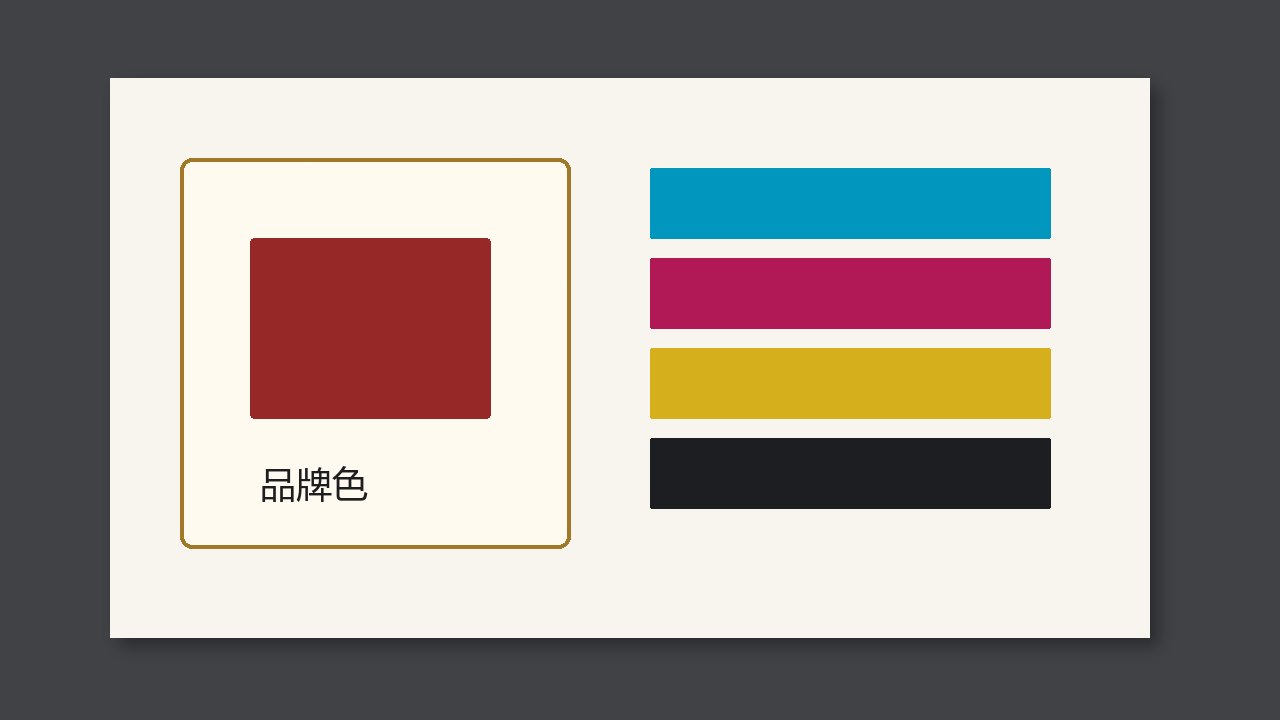
What a private-label brand owner measures, and the printer often does not, is the brand colour beside the signed colour sample, and whether the small type on the pack matches the final artwork. If the printer only measured the press four-colour bar, it will not match the brand owner's instrument. Both sides must agree on the same measurement patch and the same condition.
Why it is judged this way
The brand owner compares against a colour sample from the store, and that patch is often not the control bar. If the ΔE on the printer's report is from a different place, the two numbers cannot be compared. Write the measurement place on the job ticket, and both sides use the same type of condition. For small type, check once against the final PDF. Do not use only the old template.
What to compare
| What you see | What to call it | What not to do |
|---|---|---|
| The two readings are not from the same place | Align the place before arguing the numbers | Each side calls its own reading a pass |
| The four-colour bar passes and the brand colour fails | The brand-colour agreement stands | Let the control bar override it |
| Small type does not match the final artwork | Stop | Pass it because the colour is right |
At job change or when a roll is opened
- The job ticket states the measurement place and the condition.
- The first piece is read at that place.
- Small type is checked against the final artwork, not against the last job's template.