What is a control strip, and which patches are worth keeping
A control strip is a row of patches printed outside the product for the instrument to read. Worth keeping on press: four-color solids, one midtone, and a gray made of cyan, magenta, and yellow. Patches nobody ever reads should not take paper. A strip with no midtone cannot judge dots.
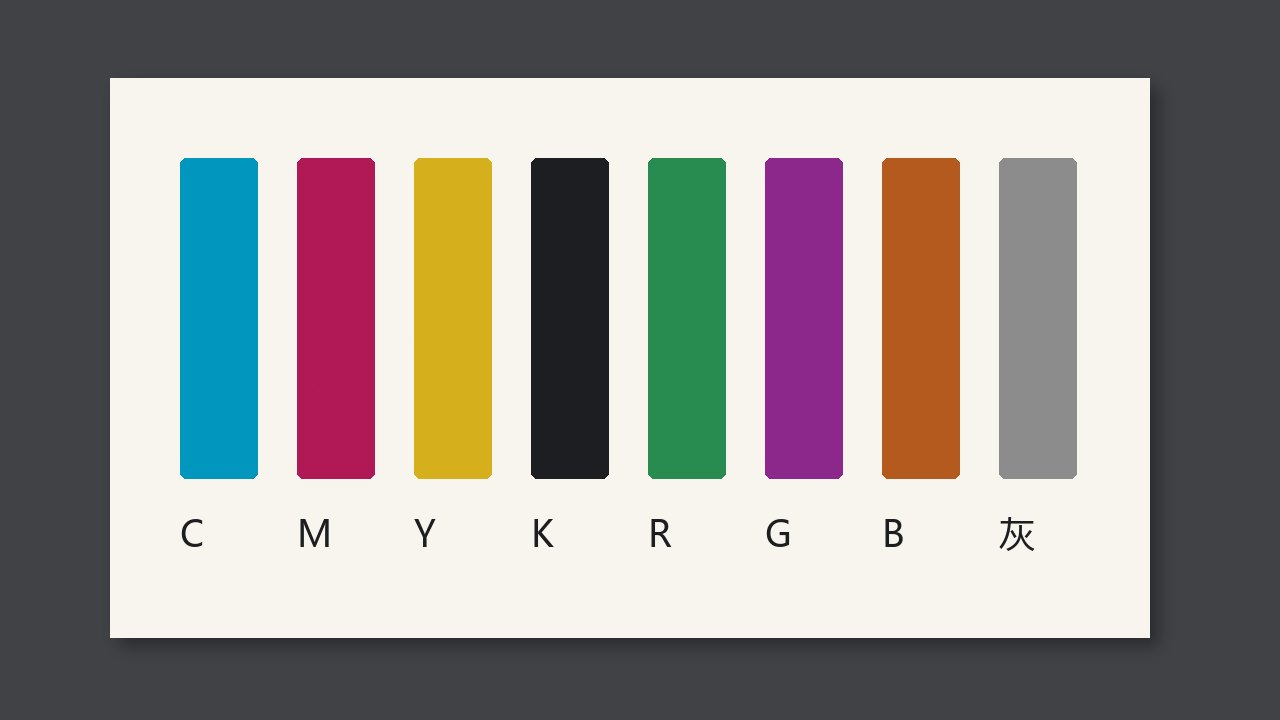
A control strip is a row of patches printed outside the product for the instrument to read. Worth keeping on press: four-color solids, one midtone, and a gray made of cyan, magenta, and yellow. Patches nobody ever reads should not take paper. A strip with no midtone cannot judge dots.
What each patch does
Solids tell you if that ink film is thick enough. Density or solid color difference is read here. A midtone — 50% if you have 50% — tells you whether dots are filling in. A gray of cyan, magenta, and yellow tells you if the three colors lean on each other; solids can be right and the gray still off. Red, green, and blue overprints help matching and troubleshooting. If this job never reads them, do not leave them on every plate.
If the customer specified a brand color, leave a solid large enough for the instrument aperture on the strip or in the product. Substituting four-color solids for a spot color does not read the color the customer asked for.
Keep or drop
| Patch | Process control | If you drop it |
|---|---|---|
| Cyan, magenta, yellow, black solids | Keep | You do not know ink film |
| One midtone | Keep | Solids can be right and you still miss fill-in |
| Three-color gray | Keep | A gray shift goes unseen |
| Patches nobody ever reads | Can drop | They only take paper |
When you record, write
- Whether the midtone is 40% or 50%.
- Brand color on its own line, not folded into four-color solids.
- Patches you did not read this round: do not copy a number into the report.