What is mid-tone spread, and when does it fail a job
Mid-tone spread is the difference in dot gain among cyan, magenta, and yellow on the same midtone. When the gap is large, gray shifts even if the three solids still sit in tolerance. ISO 12647-2 limits that gap to a few percent. On press, treat about 5 percentage points as a warning: if the curves open wider, pull the midtone first, do not raise solid density first.
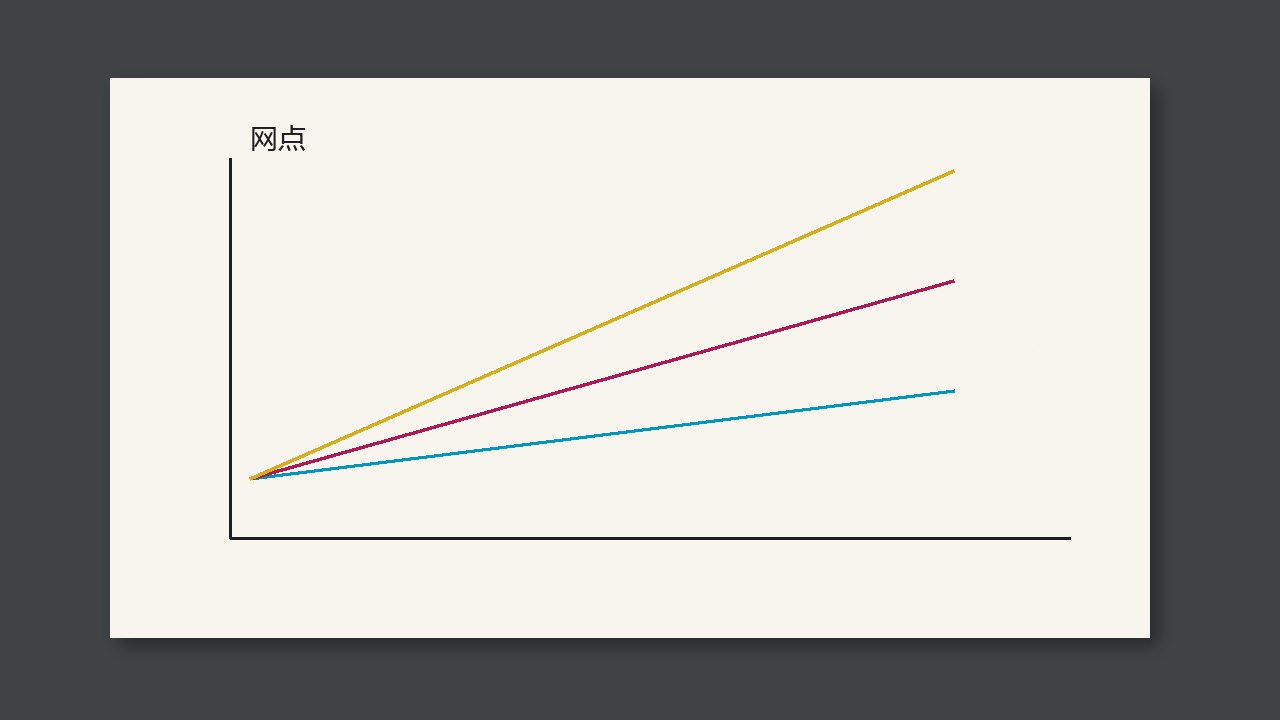
Mid-tone spread is the difference in dot gain among cyan, magenta, and yellow on the same midtone. When the gap is large, gray shifts even if the three solids still sit in tolerance. ISO 12647-2 limits that gap to a few percent. On press, treat about 5 percentage points as a warning: if the curves open wider, pull the midtone first, do not raise solid density first.
Why gray shifts
Gray is stacked from cyan, magenta, and yellow. All three solids can sit on target; if magenta 50% is a stretch larger than cyan, gray walks that way. Reporting only four-color solid color difference lets a sheet with already-shifted gray pass. Mid-tone spread is there to catch that.
If you have 50%, compute max minus min of the three gains at 50%. If you only have 40%, compute at 40% and write the percent. This warning decides whether to stop and look. If the contract wrote a tighter number, use the contract.
Move solids first or midtone first
| Gap among three midtones | Solids | Do first |
|---|---|---|
| Under about 5 percentage points | Over | Fix solids |
| Over about 5 percentage points | In | Pull midtone, do not add solid |
| Both over | Record both | Bring the three curves together, then match solids |
When you record, write
- Whether you computed at 40% or 50%.
- The three gain values for cyan, magenta, yellow, and their gap.
- If the gap failed and solids did not, do not write the report as a solid fail.