Hue difference: the rule to remember first
Cyan, magenta and yellow hue is commonly ΔH no more than 3. It covers hue, not total colour difference. A pass on the total can still leave hue out. Follow the contract revision.
For cyan, magenta and yellow, hue is commonly held to ΔH no more than 3. It says whether hue shifted. It does not say total colour difference. Total colour difference can pass while hue is still out. Follow the contract revision.
What this rule covers
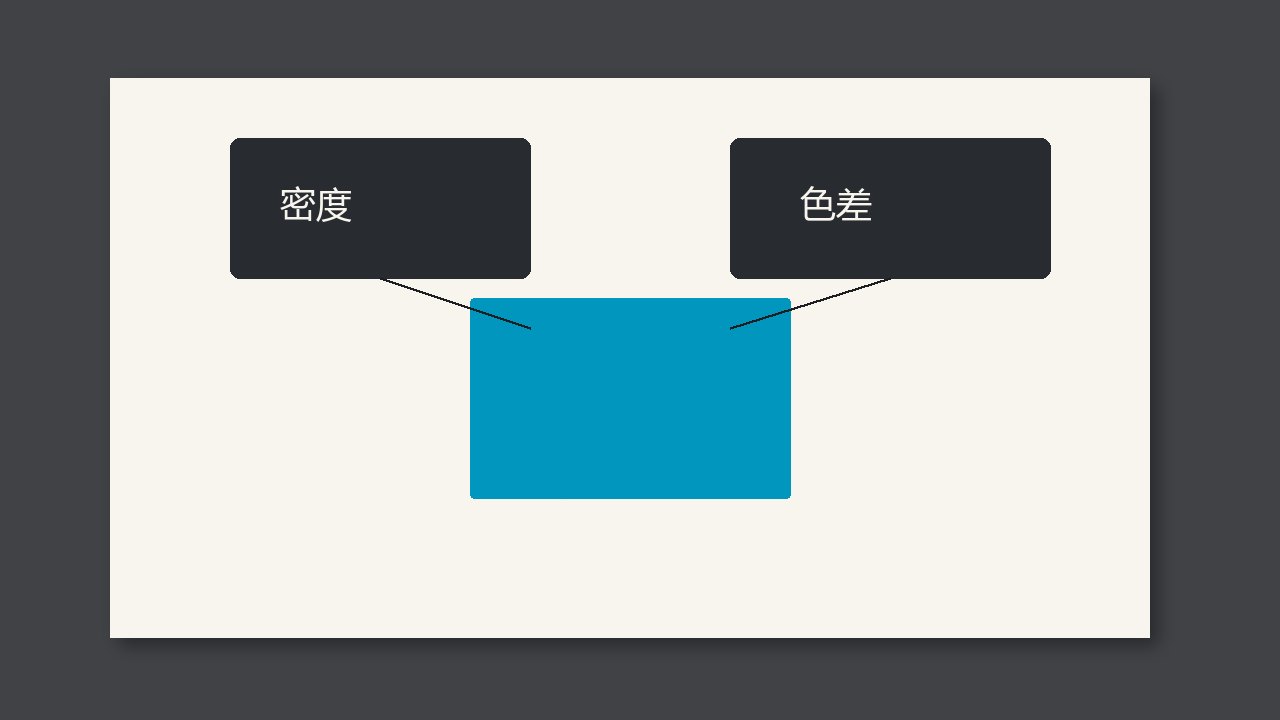
Do not let a pass on total colour difference stand in for a pass on hue. If hue shifts, grey is no longer grey and skin tone goes dirty. ΔE is the total difference. ΔH is hue only. G7 grey hue is a different weighted set. Do not mix it with ΔH 3 into one number.
Check
| Item | Do this | Do not |
|---|---|---|
| Hue difference | For cyan, magenta and yellow, hue is commonly held to ΔH no more than 3. It says whether hue shifted. It does not say total colour difference. Total colour difference can pass while hue is still out. Follow the contract revision. | Only a feeling |
| Common miss | Do not let a pass on total colour difference stand in for a pass on hue. If hue shifts, grey is no longer grey and skin tone goes dirty. | Stick with the wrong call |
| What to keep | The report needs ΔH, and which colour. If you only write ΔE, do not add that hue also passed. | Only the word pass |
Do these three first
- Confirm the report has ΔH.
- Read cyan, magenta and yellow apart.
- With no ΔH, do not write that hue passed.