How to split substrate colour difference from the easy mix-up
The ink solid has its own number. The paper-white 3.0 cannot release a solid, and the solid's number cannot release the paper white. For substrate colour difference, follow the job ticket. Do not rely on what the shift remembers.
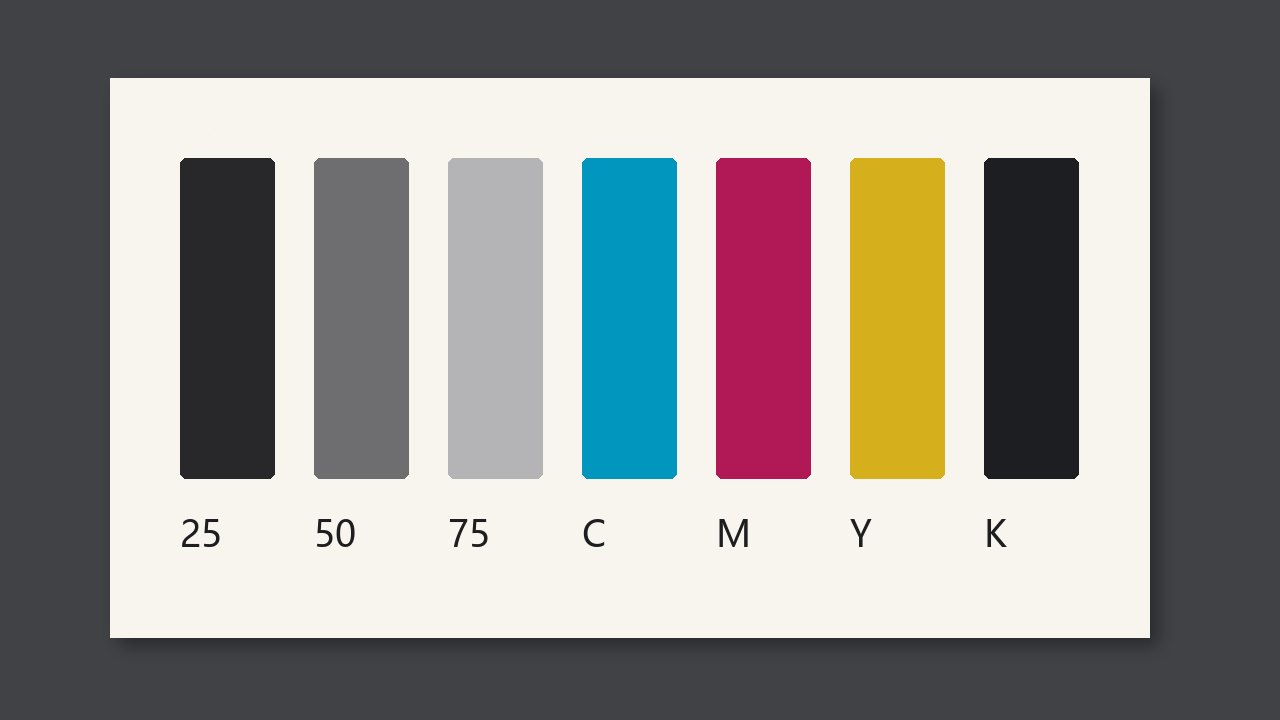
The ink solid has its own number. The paper-white 3.0 cannot release a solid, and the solid's number cannot release the paper white. For substrate colour difference, follow the job ticket. Do not rely on what the shift remembers.
This is not the number next to it
Do not hide a substrate that is out by adding ink later. If the paper is wrong, the grey balance that follows is balanced on the wrong paper. Call it the wrong name and the later adjustment and the count both go wrong.
Split check
| Item | Do this | Do not |
|---|---|---|
| Substrate colour difference | The ink solid has its own number. The paper-white 3.0 cannot release a solid, and the solid's number cannot release the paper white. For substrate colour difference, follow the job ticket. Do not rely on what the shift remembers. | Write only a feeling |
| The usual mistake | Do not hide a substrate that is out by adding ink later. If the paper is wrong, the grey balance that follows is balanced on the wrong paper. | Leave the wrong number in place |
| What to leave | The report writes ΔE00, the target paper white, the M condition, and the backing. Written as ΔEab, this item does not count. | Leave only the word pass |
Check before you name it
- Measure the unprinted stock first.
- Confirm you used ΔE00.
- If the paper is out, do not cover it with ink.