How to distinguish slow registration drift from a sudden jump
Slow registration drift means the error moves in one direction as the meter count increases, commonly caused by temperature, tension, and web stretch. A sudden jump means it jumps at a single point and then returns to the original position, commonly caused by a splice, impact, or a single false action. Look at the error-versus-meters curve: a slope is drift, a single spike is a jump. Do not use the same correction for both.
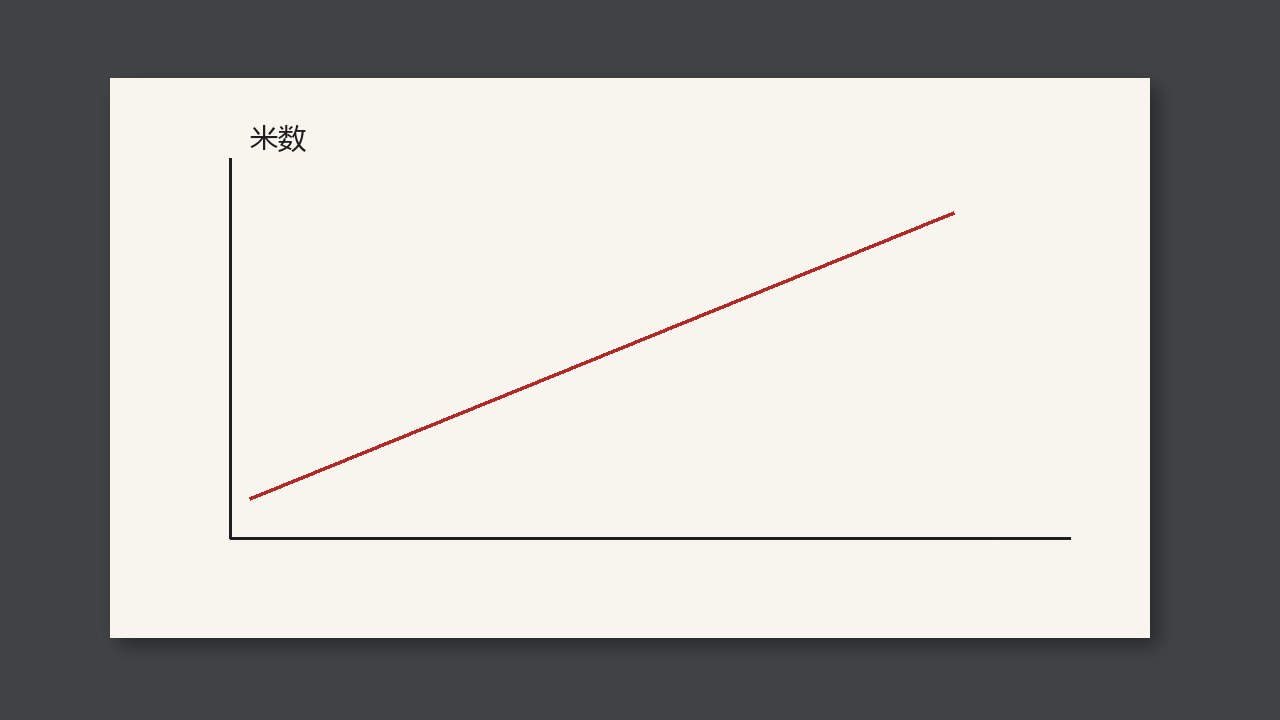
Registration slowly drifting means the error moves in one direction as meters increase, commonly due to temperature, tension, and web stretch. A sudden jump means it jumps away at one point, then returns to the original position, commonly due to a splice, impact, or a single false actuation. Look at the error-versus-meters curve: a slope is drift, a single spike is a jump. Do not use the same correction for both.
How to read the curve
Record registration error every certain number of meters, at least ten points. If the points connect into a sloped line, it is drift: if you adjust registration back at one point, after a while it will still move to the same side. If all points are within tolerance, and only one point jumps out and returns, it is a single jump. Match the meter reading of that point to the time of a splice, roll change, or someone touching the machine.
Closed-loop registration can slowly pull back drift, but it cannot pull back the section already printed, nor can it pull back an impact faster than the motor response. So even with closed loop, still record drift and jump separately.
Correction methods
| Curve | Name | Check first |
|---|---|---|
| Continuously to one side | Drift | Temperature, tension, material stretch |
| Recovers after one spike | Jump | Splice, impact, the operation at that moment |
| Oscillates back and forth across tolerance | Jitter | Registration mechanism itself, not material trend |
Do this round first
- Lay out the last ten points by meter, do not keep only the alarm one.
- If it is a sloped line, check tension and temperature; do not just adjust once at the alarm point.
- If it is a spike, check the splice and operation records for that meter.