How to inspect a rewound roll after the press
A second look on the rewinder after printing is there to check the places the press marked and take them out. It is not a chance to invent a looser standard.
A second look on the rewinder after printing is there to check the places the press marked and take them out. It is not a chance to invent a looser standard. A rewind release has to say which press inspection it was checked against. If the metres do not match, do not write that the defect was taken out.
Why it is judged this way
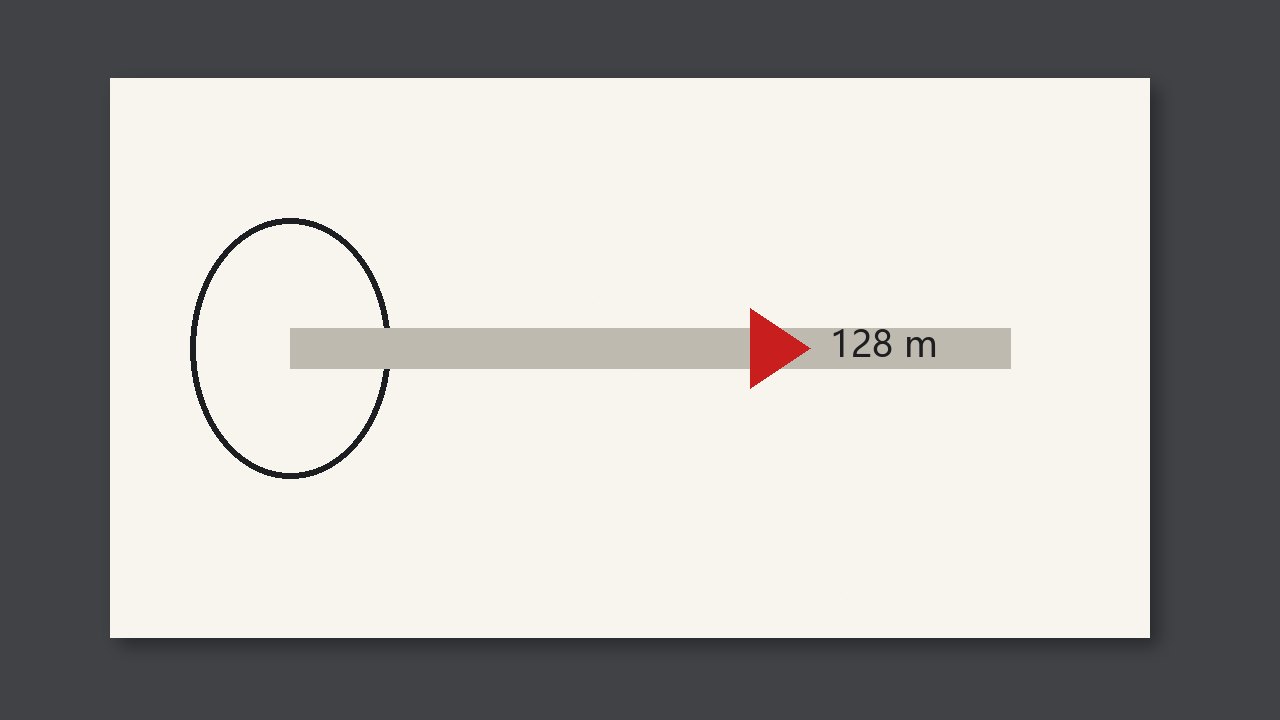
If the press camera marked a doctor blade line at 200 m, and the rewinder runs from the other end without converting the count, the cut lands in the wrong place. Agree the metre direction first, then talk about taking material out. Not seeing the defect on the rewinder can mean the place was wrong. It does not mean the press raised a false alarm.
What to compare
| What you see | What to call it | What not to do |
|---|---|---|
| Metres and direction match, and the defect is still there | Take it out | Say the press was wrong |
| The place matches but the defect is not there | Record one false alarm and keep the picture | Loosen the standard straight away |
| The metres do not match | Correct the count first | Cut a length by feel |
At job change or when a roll is opened
- Confirm that rewind zero and press zero are the same end.
- Pull one defect that was already marked and see whether it can be found.
- If it cannot be found, stop and reconcile the metres. Do not release first.