How to choose between Status T and Status E density
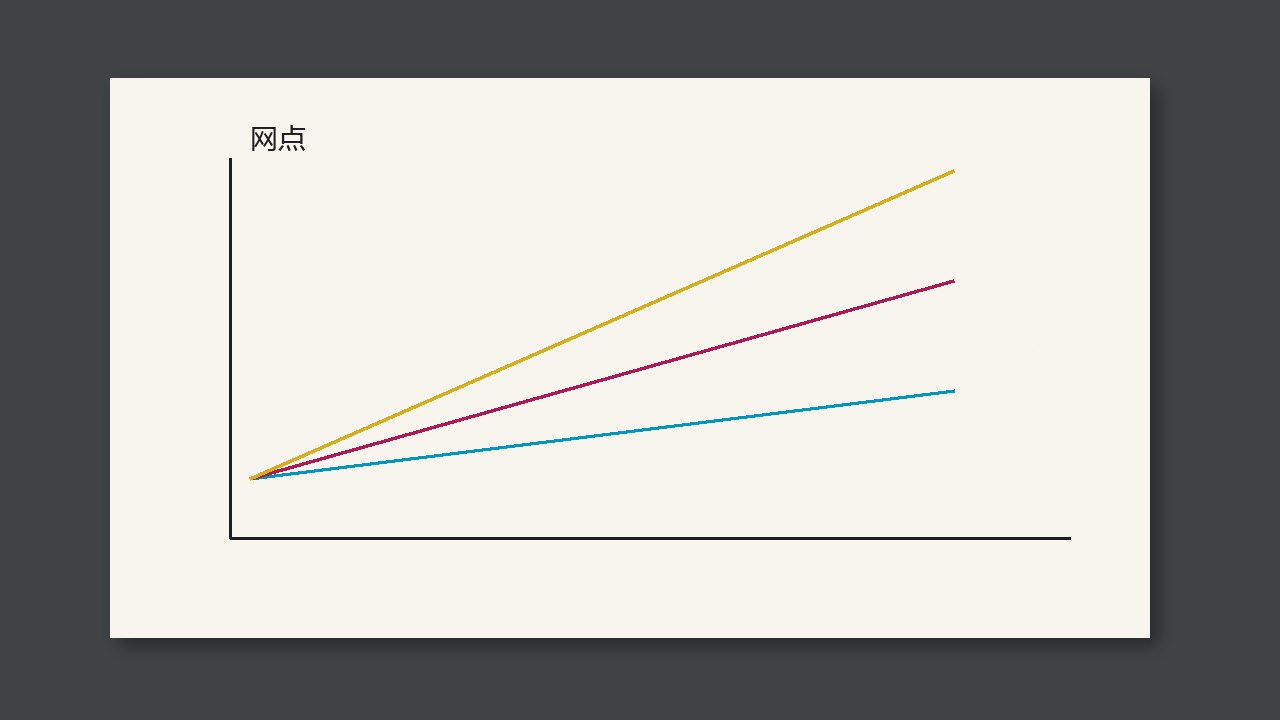
Status T is the density response common in the Americas; Status E is common in Europe. Yellow shows the gap most. Use whichever the customer and the ink maker use. Do not put a Status T number against a Status E aim.

Status T is the density response common in the Americas; Status E is common in Europe. Yellow shows the gap most. Use whichever the customer and the ink maker use. Do not put a Status T number against a Status E aim.
Why yellow is the sensitive one
The two statuses use different filters. Cyan and magenta often stay close; yellow density can differ by a cut. So “density 1.30” without T or E is not comparable on yellow. Switch the menu once, nobody changed ink, the number already moved.
Process control can keep using density, but one job gets one status. If the signed sample was read in T, production uses T. If the ink maker’s recommended density is E, set the press to E; do not convert in your head.
How to choose
| Where the aim comes from | Press uses | Do not |
|---|---|---|
| Americas customer or a Status T sample | T | Match with an E reading |
| European customer or Status E data | E | Match with a T reading |
| Job does not say | Ask first | Treat the instrument default as the standard |
Write it on the record
- Write T or E after the density.
- Use the same status as the sample and the ink maker.
- After a status change, remeasure the whole column; do not stitch old and new numbers on one trend.