When to stop for fine-type bridging on a textured wine label
On a textured wine label, stop if the smallest type or a negative word joins. If it hits the wine name or the smallest legal text, that label cannot ship. Adjacent strokes are joined.
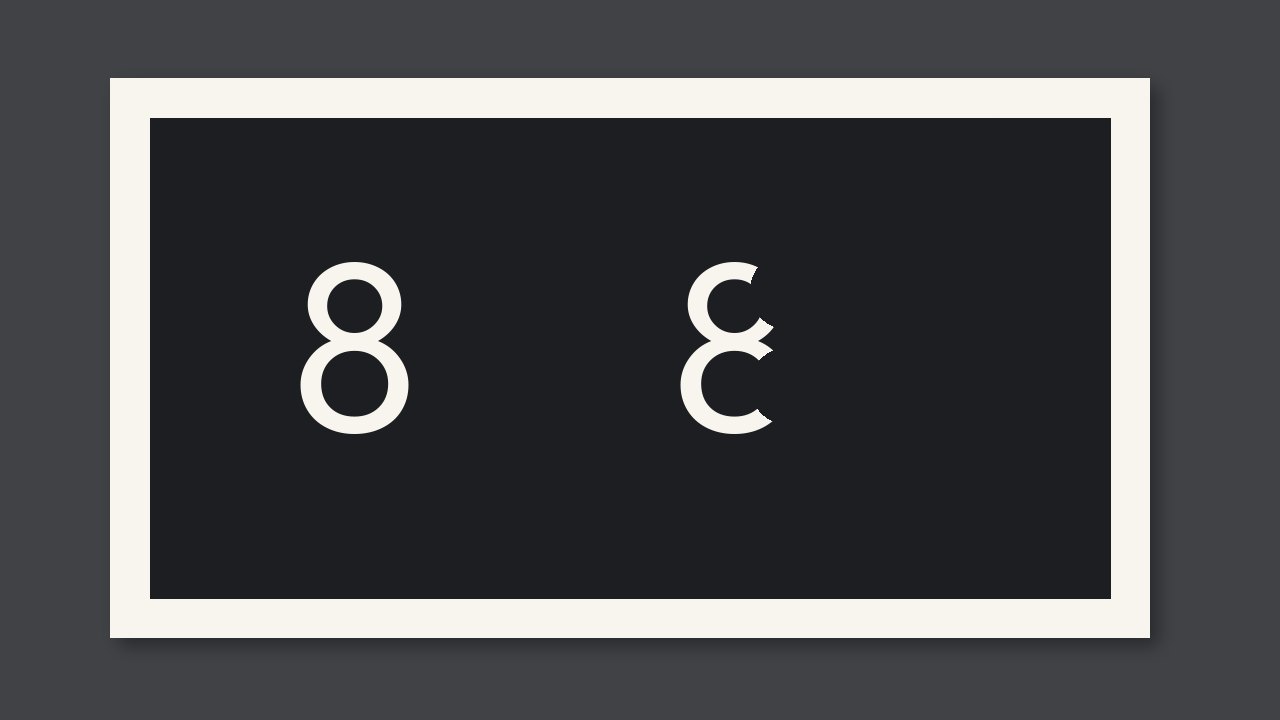
On a textured wine label, stop if the smallest type or a negative word joins. If it hits the wine name or the smallest legal text, that label cannot ship. Adjacent strokes are joined.
Check the critical spots first
Adjacent strokes are joined. Fill-in thickens every stroke. Bridging usually sits in the finest gap. On a textured wine label the critical spots are the wine name and the smallest legal text. If the decorative area has no hickey chart, do not invent a millimetre limit on the spot.
Check
| What you see | Call | Do not |
|---|---|---|
| Adjacent strokes are joined. | Stop if the smallest type or a negative word joins. | Add ink or pressure just because you saw it |
| It lands on the wine name or the smallest legal text | That label cannot ship | Wait for the next process to find it |
| Only on decoration, and there is no hickey chart | Hold a sample and confirm | Write your own millimetre limit |
Do this on this run
- Confirm it is fine-type bridging: adjacent strokes are joined.
- Reduce ink first. Do not raise pressure across the whole plate.
- Write down the type size and the ink amount.