When a void on a pharma label means a stop
A missing stroke or a broken code means a stop. A small spot in a solid follows the dirt-spot table. If it touches the batch number, the expiry date, or the barcode, that label cannot go. With no dirt-spot table, do not invent a millimetre number.

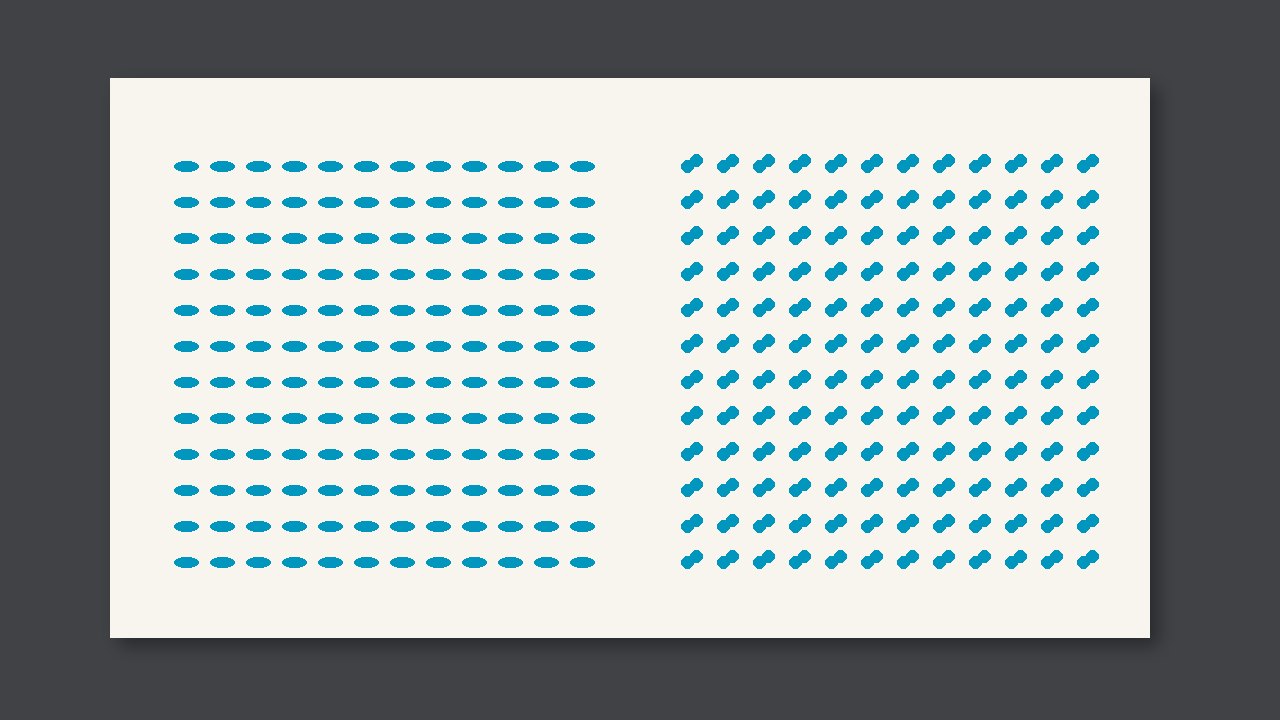
On a pharma label, a void means a stop if a stroke is missing or a code is broken. A small spot in a solid follows the dirt-spot table. If it touches the batch number, the expiry date, or the barcode, that label cannot go. A void is a white spot with a clean edge, and the middle is paper or film.
Look first at whether it hits a critical place
A white spot with a clean edge, and the middle is paper or film. A white-ring dirt spot has an ink ring or a black center. A void does not. On a pharma label the critical places are the batch number, the expiry date, and the barcode. If a decorative area has no dirt-spot table, do not write a millimetre number for the moment.
What to compare
| What you see | What to call it | What not to do |
|---|---|---|
| A white spot with a clean edge, middle is paper or film | A missing stroke or a broken code means stop. A small spot in a solid follows the dirt-spot table | Add ink or pressure just because you see it |
| It lands on the batch number, the expiry date, or the barcode | This label cannot go | Wait for a later step to find it |
| It is only on decoration and there is no dirt-spot table | Keep a sample and have it checked | Write your own millimetres |
Do this round first
- See whether it is a void: a white spot with a clean edge, and the middle is paper or film.
- Check the ink feed and the pressure of this color first. Do not add ink first.
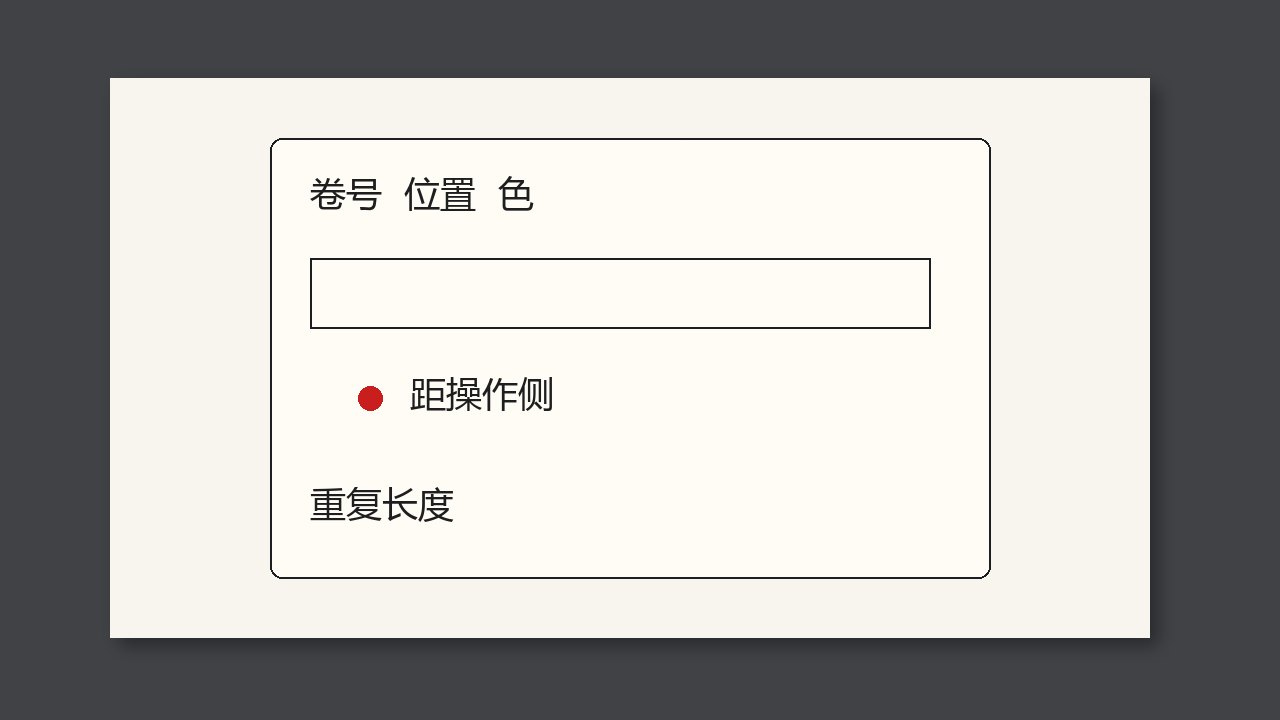
- Write the color unit, the plate or roll number, and the metres.