What to do with a roll the camera flagged and the rewinder cleared
A release needs the rewind result. If it was not found, check the metres first. Do not dismiss the camera outright.
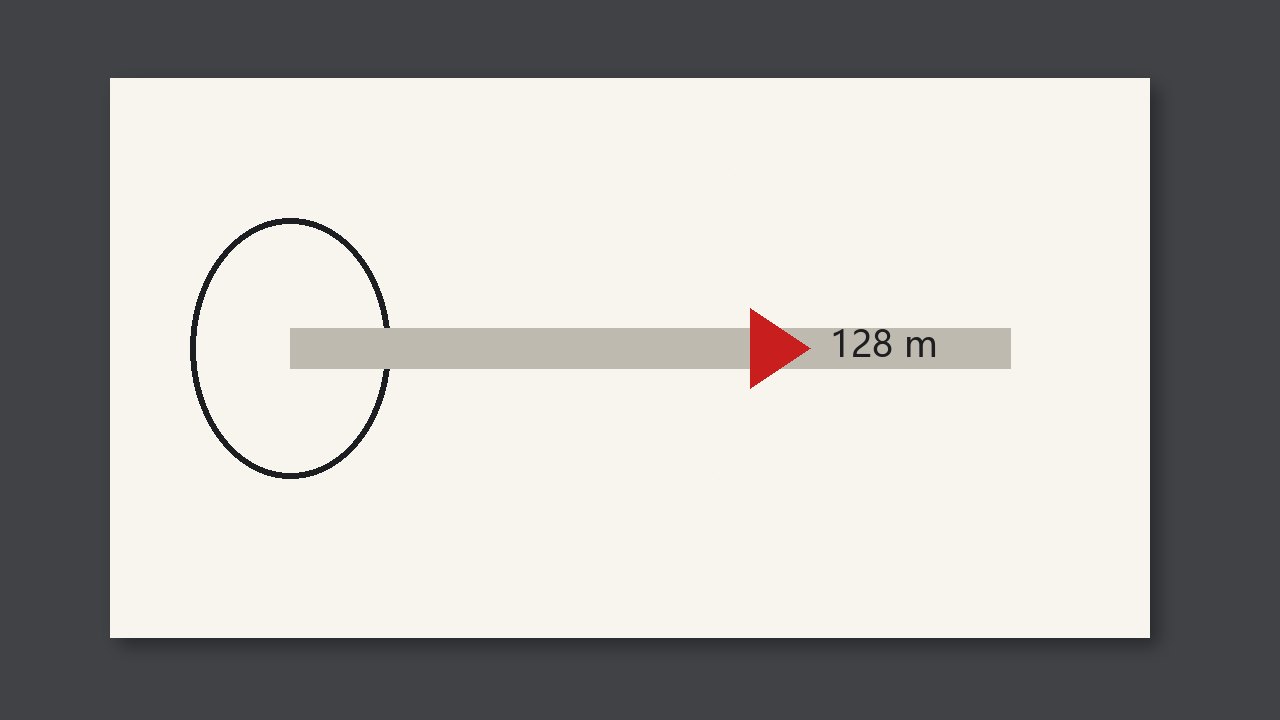
When the camera flagged a roll and the rewinder cleared it, write down what the rewinder found. If it was found and removed, the roll can be released. If it was not found, check the metre count first. Do not turn around and call it a camera false alarm. Both conclusions and both names stay on the record.
Why it is judged this way
This kind of roll is the one that slips through quietly between two shifts. The rule is: a flagged roll with no rewind record cannot go to finished goods. The record says found and removed, or it says the alarm was a false one and attaches the image of that metre.
What to compare
| What you see | What to call it | What not to do |
|---|---|---|
| Found and removed | It can be released | Only write “rewind OK” |
| Not found | Check the metres first | Treat it as a false alarm |
| No record | It cannot go to finished goods | Release it because the roll is still there |
At job change or when a roll is opened
- Set flagged rolls aside.
- The rewinder writes found or not found.
- If it was not found, quality looks at the original image and then decides.