How to tell ink reticulation apart on a pharma label
On a pharma label, tell ink reticulation apart like this: a pinhole is a small hole that shows the substrate, and reticulation is the ink gathering into beads on its own. Until you can tell them apart, do not adjust the press for the wrong cause.
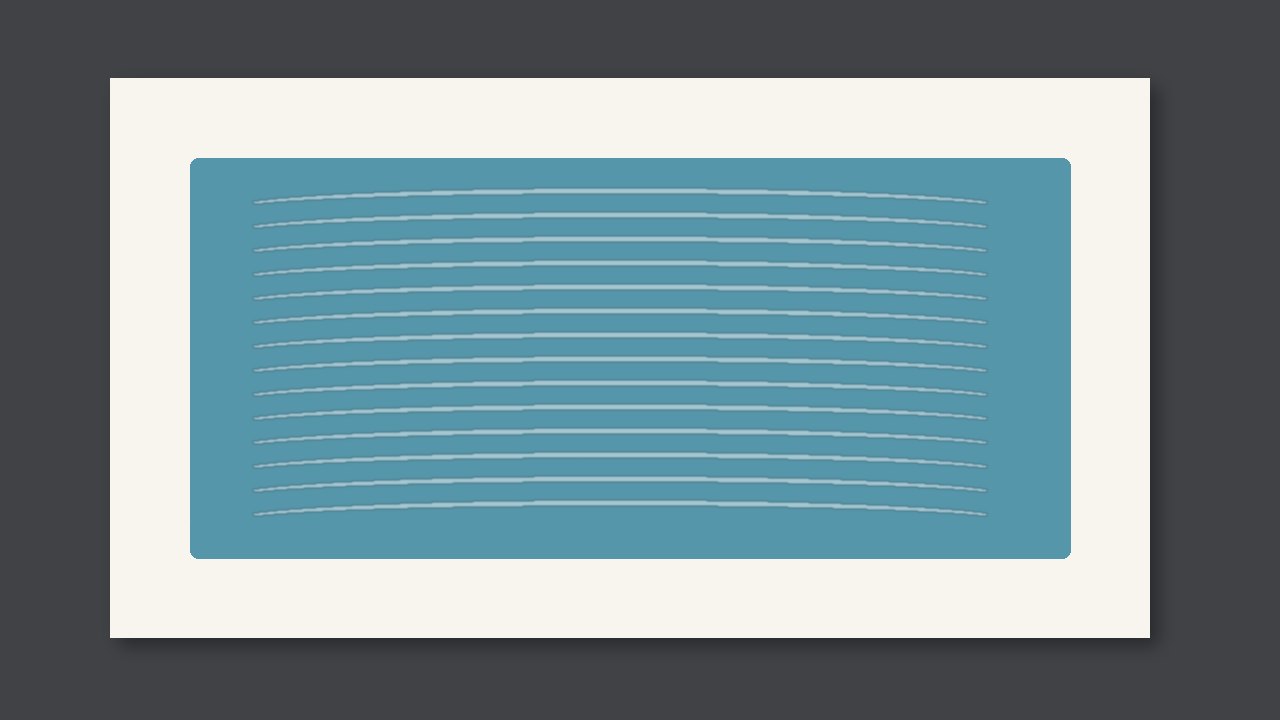
On a pharma label, tell ink reticulation apart like this: a pinhole is a small hole that shows the substrate, and reticulation is the ink gathering into beads on its own. Until you can tell them apart, do not adjust the press for the wrong cause.
Name it wrong and you adjust the wrong place
The ink surface pulls into a pebbled texture and will not lay flat. If you treat it as another defect, you skip this step: check surface tension and viscosity first, and do not add pressure to force it flat. On a pharma label the legal text and the barcode decide whether it ships. They do not decide what it is called.
How to tell them apart
| What you see | Closer to | How you separate them |
|---|---|---|
| The ink surface pulls into a pebbled texture and will not lay flat. | Ink reticulation | Naming it from one white spot |
| A pinhole is a small hole that shows the substrate. Reticulation is the ink gathering into beads. | Handle it as that other defect | Using the same adjustment |
| The spot sits on the legal text or the barcode | Hold this area first | Ignoring the position just to name it |
Confirm it on the spot
- Look by eye or with a loupe: the ink surface pulls into a pebbled texture and will not lay flat.
- Rule it out: a pinhole is a small hole that shows the substrate, and reticulation is the ink gathering into beads.
- Check surface tension and viscosity first. Do not add pressure to force it flat.