How to tell colour drift apart on a textured wine label
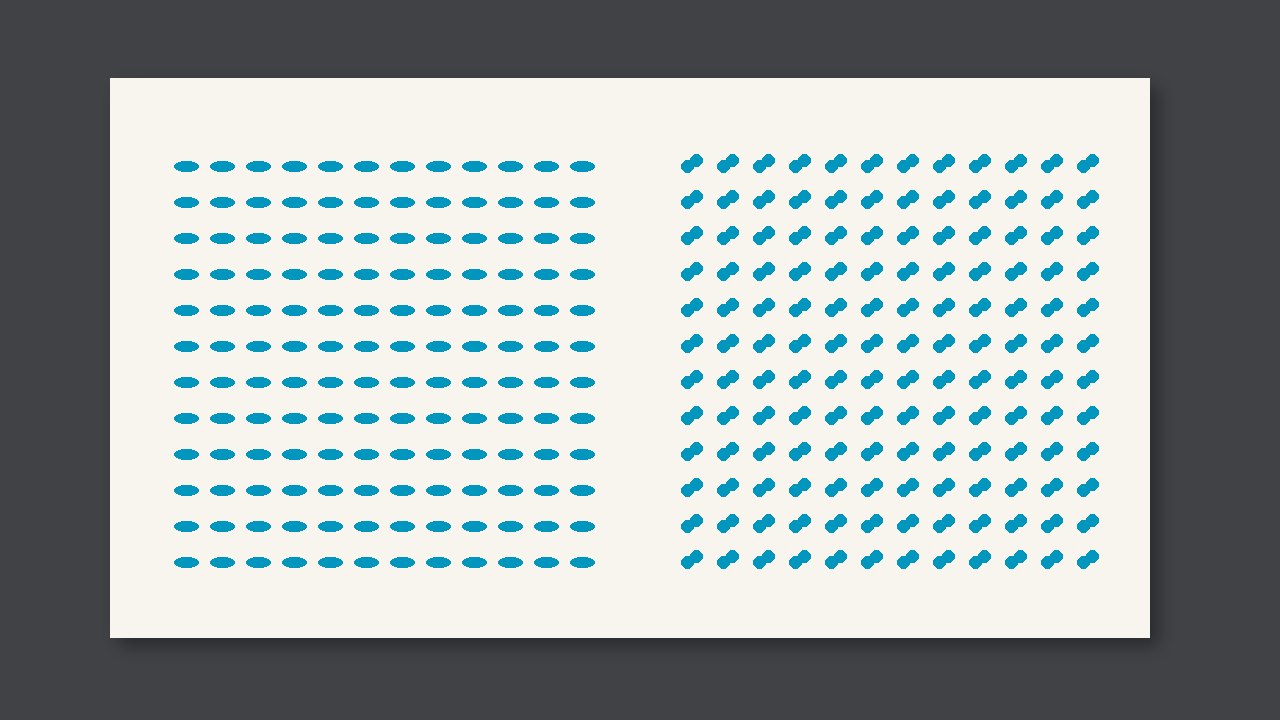
On a textured wine label, split colour drift from the look-alikes: mottling inside one sheet is not drift that walks with the metres. Until you have split them, do not adjust the press for the wrong cause.
On a textured wine label, split colour drift from the look-alikes: mottling inside one sheet is not drift that walks with the metres. Until you have split them, do not adjust the press for the wrong cause.
Name it wrong and you will adjust the wrong place
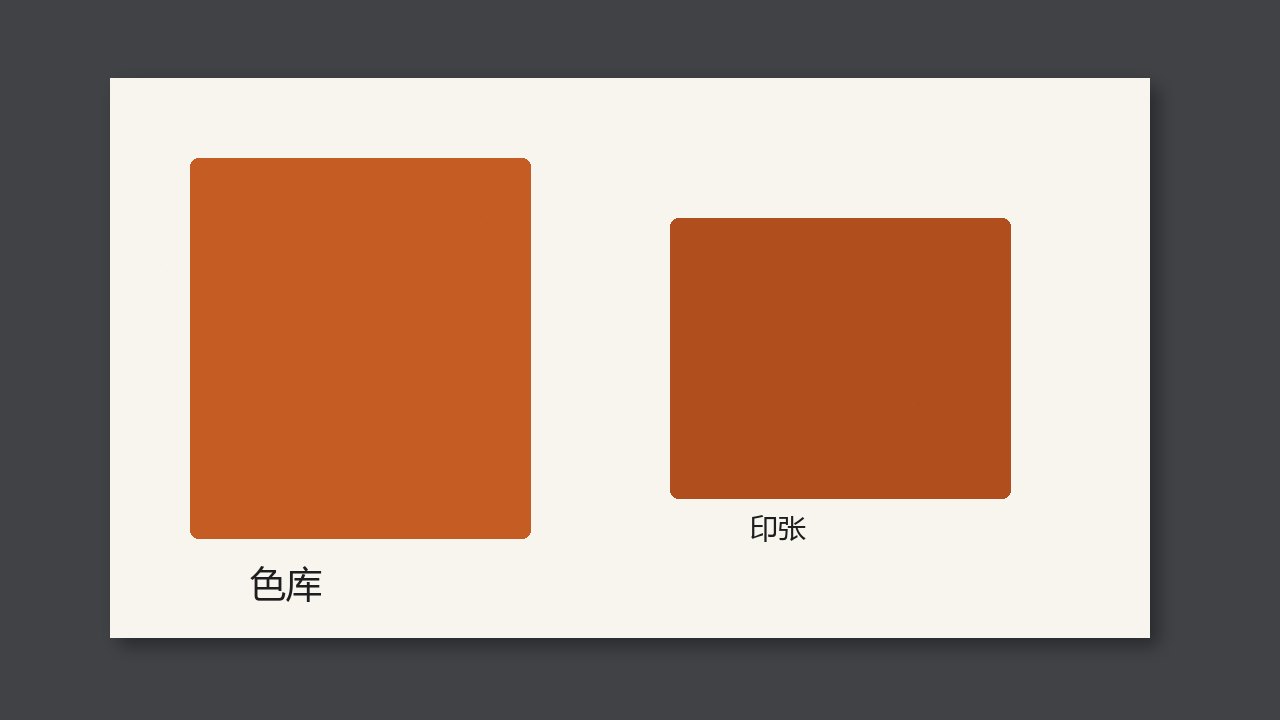
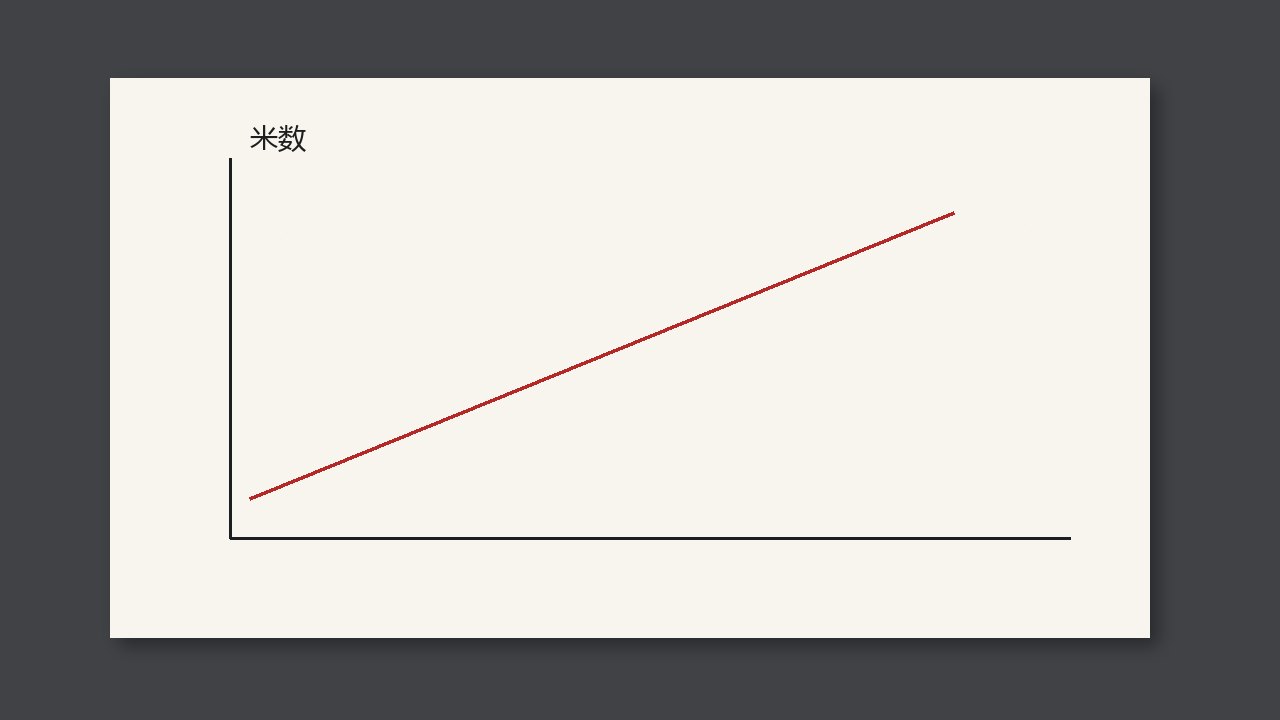
The colour in the same place walks slowly off the signed sample as the metres run. If you call it something else, you will skip this step: Use the agreed ΔE and the instrument. Do not use the screen. On a textured wine label, the wine name and the fine type decide whether it can go out, but they do not decide what to call it.
How to split them
| What you see | Closer to | How to split |
|---|---|---|
| The colour in the same place walks slowly off the signed sample as the metres run. | Colour drift | Name it from a single white spot |
| Mottling inside one sheet is not drift that walks with the metres. | Treat it as that other defect | Use the same adjustment |
| The place is the wine name and the fine type | Hold this place first | Ignore the place just to name it |
Confirm it on the spot
- Look, or use a loupe: The colour in the same place walks slowly off the signed sample as the metres run.
- Rule out: Mottling inside one sheet is not drift that walks with the metres.
- Use the agreed ΔE and the instrument. Do not use the screen.