How to Spot Doctor Blade Lines Before the Entire Roll Is Scrapped
Doctor blade lines are thin lines that run in the web direction and cut through the pattern, slightly darker or lighter than their surroundings. Once they appear, they stay on the rest of the roll. First check whether the line is thin and continuous, then stop the press and inspect the doctor blade edge; don't wait until rewinding to notice it.
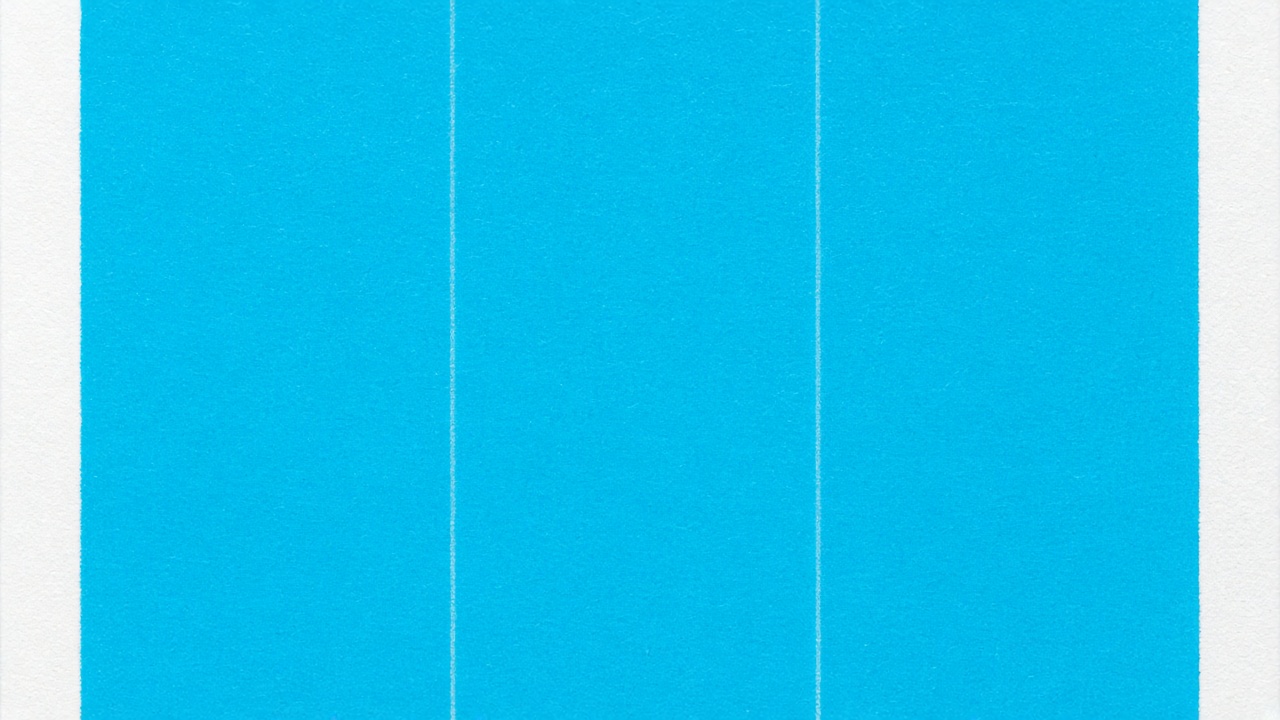
Recognize this line first
A doctor blade streak is not a wide bar, nor a white-ring hickey. It is a thin line pulled down along the paper travel direction, often running through the entire pattern, slightly lighter than the adjacent solid, or with an even thinner dark line embedded in it.
The two vertical lines in the image above are this kind of mark. The line is very thin, but as long as printing continues, every meter after it will carry it.
Separate it from other defects
| Looks like | More likely to be | Check first |
|---|---|---|
| Along the paper travel direction, thin and continuous | Doctor blade streak | Doctor blade edge, blade back pressure, hard particles in the ink pan |
| Transverse, repeating at fixed intervals | Ink barring | Anilox roller, gears, or plate cylinder |
| A small dot with a white ring around it | White-ring hickey | Particles on the plate or blanket |
| Only one segment, does not appear again afterward | Web scratch or accidental contaminant | Do not replace the doctor blade first |
Look at three consecutive prints. If the same thin line appears on all three, you can stop. Washing the plate usually cannot remove it, because the line is repeatedly scratched out by the doctor blade on every rotation.
What to do before scrapping an entire roll
- Check the edges of the solid first. Thin lines are easiest to see in large areas of color; do not stare only at small text.
- Confirm the direction is along the web, not transverse one after another. Transverse ones should be investigated as ink barring.
- After stopping the machine, check the doctor blade edge for nicks, dried ink, or a hard particle. Rotate the blade or change to another blade, then print two more and compare.
- Do not use only dot diameter on the camera. Doctor blade streaks are thin and long, and dot thresholds often let them pass. Set a separate rule for longitudinal thin lines.
- Record the meter reading when it is found. The material from here to the stop should be removed during rewinding; do not scrap the entire roll, and do not ship the entire roll either.
Color measurement can still pass. A doctor blade streak is a local mark; the average color difference of the entire solid cannot mask it.
Continue reading
- What is print quality inspection explains why you cannot wait until rewinding to inspect for defects.
- How tight should a Delta E tolerance be on press explains that even when color difference passes, thin lines still need to be handled separately.